Mahathir bin Mohamad
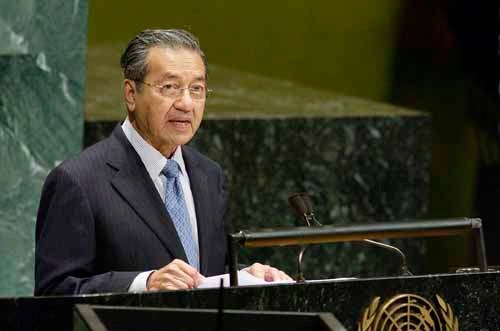
He is a Malaysian politician and doctor who served as prime minister from 1981-2003 and again from 18-20 A.D. He is also known as the “father of modernization” for his advocacy of “Look East” policies in the 1980s, learning from the economic growth of Japan and Korea, which led to a period of rapid economic growth.
After graduating from the Faculty of Medicine at the University of Malaya (now the University of Singapore) in 1953, he became a medical officer, but later became a practicing doctor; he was first elected to the House of Representatives in 1964; in 1969 he was expelled from the United Malayan National Organization (UMNO) due to a conflict with Prime Minister Rahman, but returned to UMNO in 1972, and in 1981 he became UMNO He became president of UMNO in 1981 and the fourth prime minister of Malaysia in July of the same year.
Policies
1) Sending foreign students and artisans from Malaysia to Japan
Over the past 40 years, approximately 26,000 Malaysians, including more than 8,000 international students, have been sent to Japan for education and training. Many of these foreign students have returned to their home countries to support Malaysia’s economic growth as leaders in politics and industry.
(2) Expansion of Japanese Companies
Mahathir actively attracted Japanese companies to Malaysia by offering preferential tax treatment. As a result, Japanese investment in the manufacturing industry has increased, as Japanese companies that had previously established operations in Malaysia have made additional investments in Malaysia, particularly in the electrical and electronics industries, and related companies have advanced into the country. Currently, nearly 1,500 Japanese companies have established operations in Malaysia, employing more than 400,000 Malaysians.
Bumiputra Policy
This policy was aimed at eliminating the economic disparity between ethnic groups in addition to economic activities against the Chinese, who have more economic power than the Malays. Bumiputra means “son of the land,” and the 5.13 Incident was the result of the outburst of dissatisfaction of the Malays against the economically superior overseas Chinese, and the NEP and Bumiputra policies were created to eliminate the economic disparity among ethnic groups.
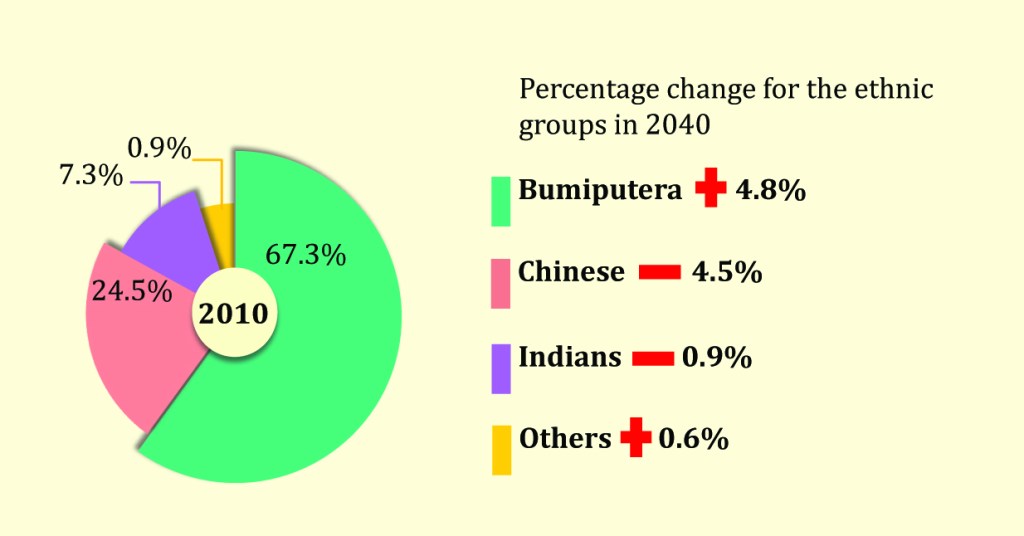
Although the majority of Malays in Malaysia are of Malay descent, the hard-working Chinese and Indians have grown economically, while the Malays, with their rough and optimistic character, are economically inferior to the Chinese and Indians.
Within Malaysia, people of different ethnic groups live clustered together so as not to irritate each other too much.
The Malaysian government tried to have students of these three ethnic groups study in the same school, but this was opposed by the Chinese population in particular, who wanted to establish a Chinese school. Thus, the Chinese and Indian residents are not too eager to assimilate into the majority Malay ethnic group.
Malaysia and Singapore
Singapore gained independence from Malaysia in 1965 and experienced rapid economic development. Singapore’s independence was triggered by Malaysia’s policy of preferential treatment of Malays and the opposition of ethnic Chinese, who were expelled from Malaysia.
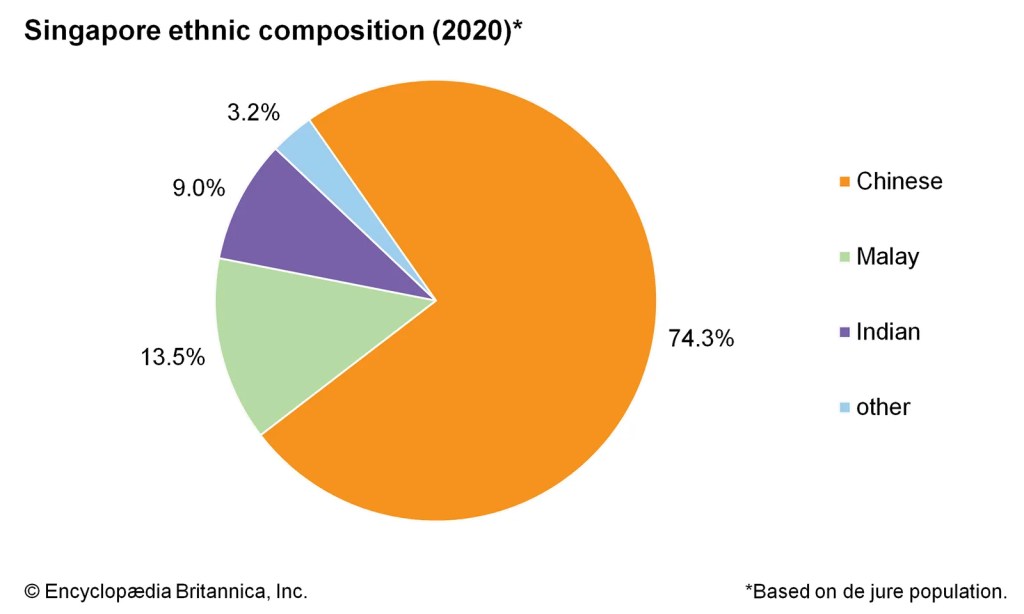
The majority of the population in Singapore, which is an independent country, is of Chinese descent.
Originally from the same country, Malaysia and Singapore maintain good relations due to their similar ethnic, religious, and other cultures. In addition, two major bridges connect the two countries’ borders, and approximately 60,000 vehicles come and go daily. Singapore relies on imports from Malaysia for most of its domestic water and drinking water.
Reference :
– マハティール・ビン・モハマド, 2013, 「マハティールの履歴書」, (2023年8月17日取得), https://www.kinokuniya.co.jp/f/dsg-01-9784532168698
 toshi blog
コメントを残す