-
Chinese migration to Southeast Asian Countries
- Significance of Chinese migration in the region
- History of Chinese society in Thailand
- Chinese society in Singapore
- Chinatowns in Southeast Asia
Significance of Chinese migration in the region
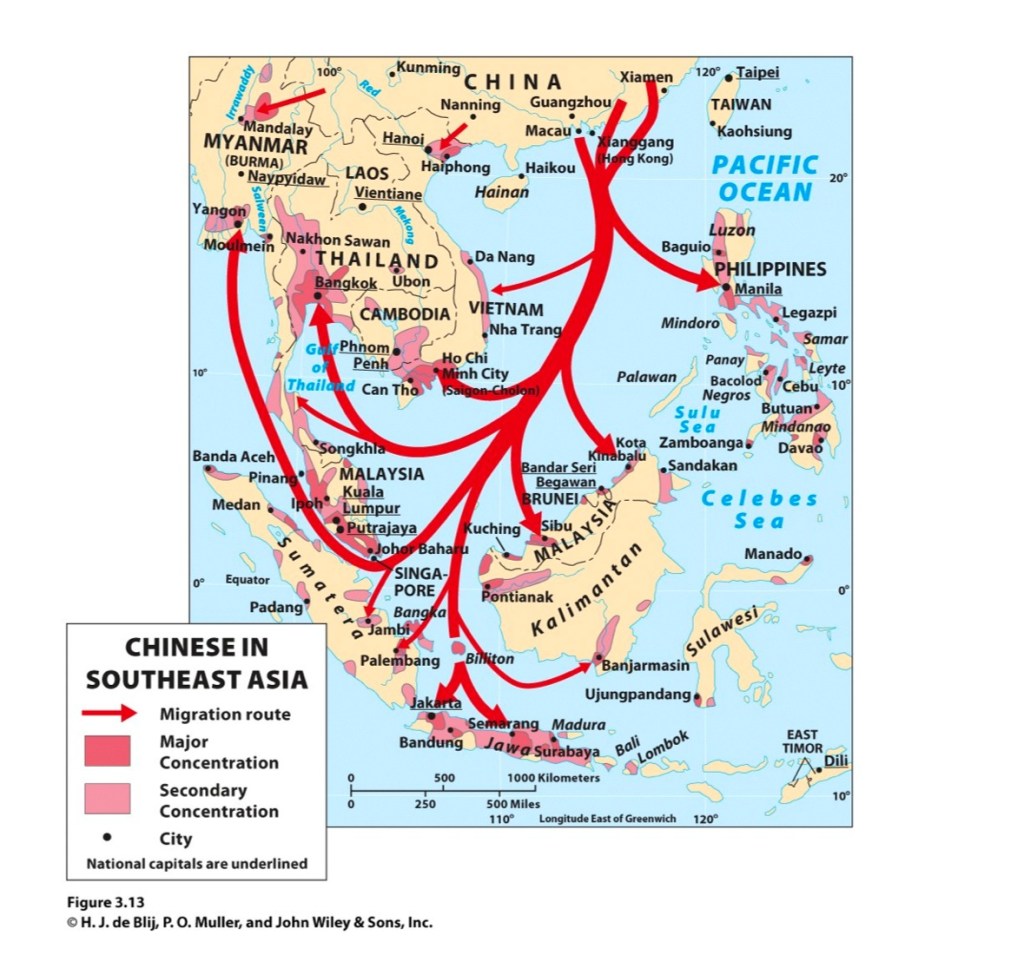
the picture above indicates Chinese migration, mainly from Guangdong province to South East Asian countries such as Thailand, Vietnam and Indonesia.
⇩ The Chinese in Southeast Asia ; population and economic scale in each countries
Population (%) Control of economy (%) Burma / Myanmar 3.4 – Cambodia 4.0 – Indonesia 3.8 73 Laos 0.2 – Malaysia 28 69 Philippines 1.3 50 – 60 Singapore 77 81 Thailand 10 81 Vietnam 1.4 – ⇒ This table above indicates the relative population of Chinese people in South East Asian countries and economical controls, represented by percentages.
We can see high level of economical engagement by Chinese people in those nations. Especially in Indonesia, the population of Chinese only accounts for 3.8% but 73% of the domestic economy is run by ethnic Chinese people.History of Chinese society in Thailand

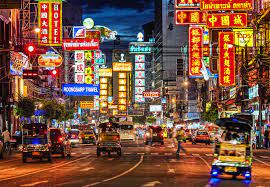
This is a Chinatown in Bangkok along Yaowarat road. It is hard to tell that this place is in Thailand and hard to believe that it is not in China.
In Thailand, Chinese are the largest minority group in the country and the largest overseas chinese community in the world with a population of approximately 7-10 million people, accounting for 11-14% of the total population in the country.
( Early history )traders from China first began arriving in Ayutthaya in 1360 to 1767. King Taksin ruled Thailand and encouraged more Chinese immigration and trade with Chinese settlers coming to Siam in large numbers.
They migrated to Thailand in search of employment opportunities due to recession in China during this period. Most of Chinese migrants were male and mostly married with local Thai Female.
( 19th century )Thai Chinese were disliked by locals due to ;
① Haw Wars ( 1865 – 1890 )
② the rise of European economic influence saw many Chinese shift to opium trafficking and tax collection
( 20th century )13,000 to 34,000 Chinese entering the country from southern China into Thailand between 1882 to 1917 , mostly settled in Bangkok. Majority of them engaged in skilled jobs or entrepreneurship – based – roles, Whereas Thai people mainly engaged in rise production.
Although Chinese migrants brought new farming ideas and methods for rubber plantations to help the domestic economy, they were not welcomed by local Thai people. In the 20th century, King Rama required the adoption of Thai surnames by migrants in the 20th century. In 1932, the Thai language became compulsory education and heavy taxes on Chinese owned businesses.( Chinese influence in the economy )
- CP group ( Charoen Pokphand group )
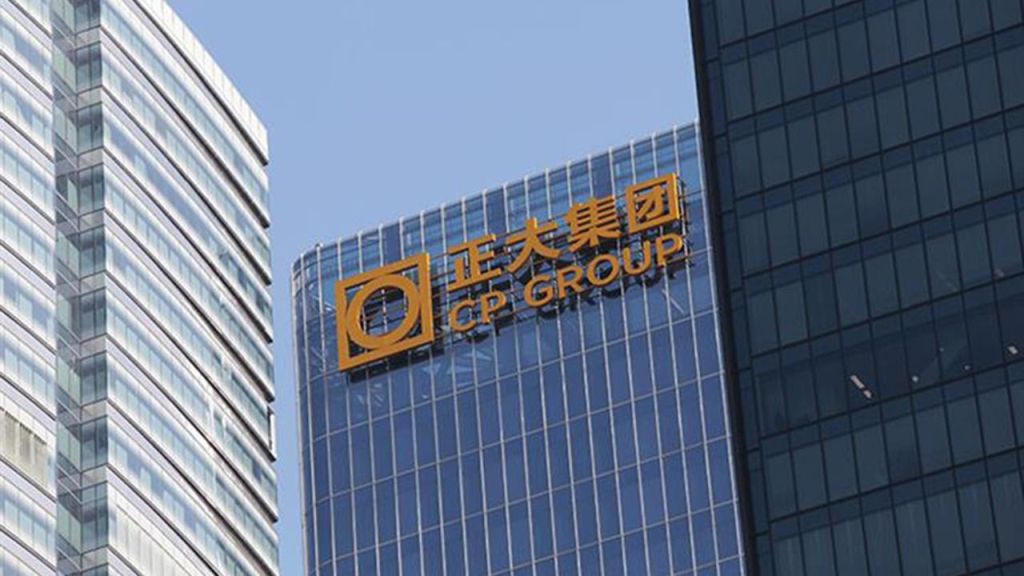
This is the largest conglomerate in Thailand that mainly operate food, retail and agricultural industries.
Charoen Pokphand conglomerate originates from Shantou, China when immigrant brothers Chia Ek Chor and Chia Jin Hyang started a seed store on Songsawat Road in Bangkok’s Chinatown back to 1921.
⇒ This shows that Chinese migrants are influential in destination countries, both culturally and economically.
Chinese society in Singapore
Singapore is a Southeast Asian country locating off the southern tip of Malay Peninsula. The city state is 710 km² and inhabited by five million people from Three major communities ; Chinese, Malay and Indian.

Chinese : 74.3% ( majority )
Malay : 13.5%
Indian : 9%
Singapore became the capital of the British Straits Settlements in 1832. It became a popular destination for both Chinese and Indian traders as they were attracted to the region by free trade policies, thus Singapore became an entry and dispersal point for large numbers of Chinese and Indian migrants coming to work in the plantations and mines of the Straits Settlements.
Majority of Chinese migrants originate from Macau, Guangdong, and Fujian.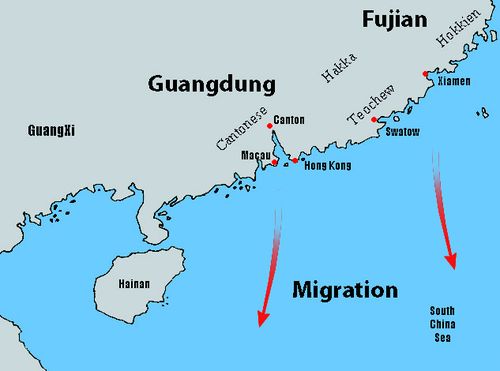
Ethnic Chinese people in Singapore mainly speak Mandarin and Cantonese.
Currently, English is the lingua franca in Singapore and is used as a medium of conversation between different ethnic groups.
Singapore English has distinctive accents, often referred to as “Singlish”.
to parents to spouse to siblings to grandparents (language) 1980 1990 1980 1990 1980 1990 1980 1990 English 6.2 12.2 12.7 19.5 14.7 22.0 2.0 4.7 Mandarin 5.7 22.0 9.7 21.8 9.5 26.6 1.1 11.4 Chinese Dialects 66.9 46.9 58.0 40.5 55.6 33.9 79.7 63.3 Percentage of Language spoken to Parents, Spouse, Siblings and Grandparents, 1980 and 1990. The table shows that English, along with Mandarin, is growing in popularity among all residents of Singapore. However, the Chinese dialect, while still dominant in Singapore, is gradually losing its importance among the Chinese community.
Singapore government actively discourages the use of Singlish among the population, in order to let Singaporeans to be able to communicate effectively with the wider English-speaking population in the world. Also the government has banned Singlish on radio, TV and other medias. Singlish was blamed for causing English standards to fall in Singapore. The Senior Minister Lee Kuan Yew said “Singlish is a handicap we must not wish on Singaporeans” during his speech in Pagar constituency’s National Day celebration.
How do Singaporeans define their identity?There is a survey on Singaporean identity conducted by Yuki Yokohama. According to Yuki Yokohama’s survey, the Chinese population in Singapore accounts for more than 70% of the total population, and many of them consider themselves Singaporeans or Singaporean-Chinese, not Chinese. Some of them define Singaporeans by the commonalities of Singapore’s Singlish way of speaking and its multi-ethnic society.
Singapore has in recent years opened its doors to Western countries for business and trade purposes. The government is concerned that the lifestyle and culture of Singaporeans is becoming Westernized. This is not desirable, as the government wants Singapore to remain an Asian nation, one that is grounded in Asian culture, especially Chinese culture. To this end, the government has initiated bilingual education in English and one’s native language, the Speak Mandarin Campaign, which began in 1979 to encourage people to speak Mandarin rather than dialects of their native language, Chinese. The campaign aims to break down language barriers between each other and strengthen the unity of Singaporeans.Chinatowns in Southeast Asia
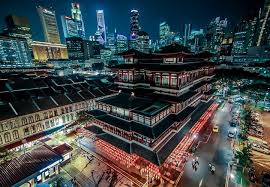
Singapore ( 牛車水 )
Bangkok, Thailand ( Yaowarat Road )
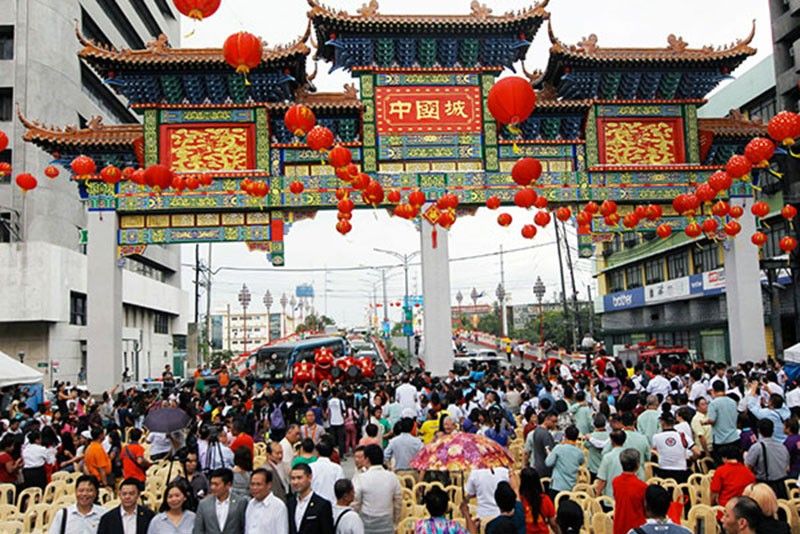
Manila, Philippine ( Binondo,岷倫洛 )
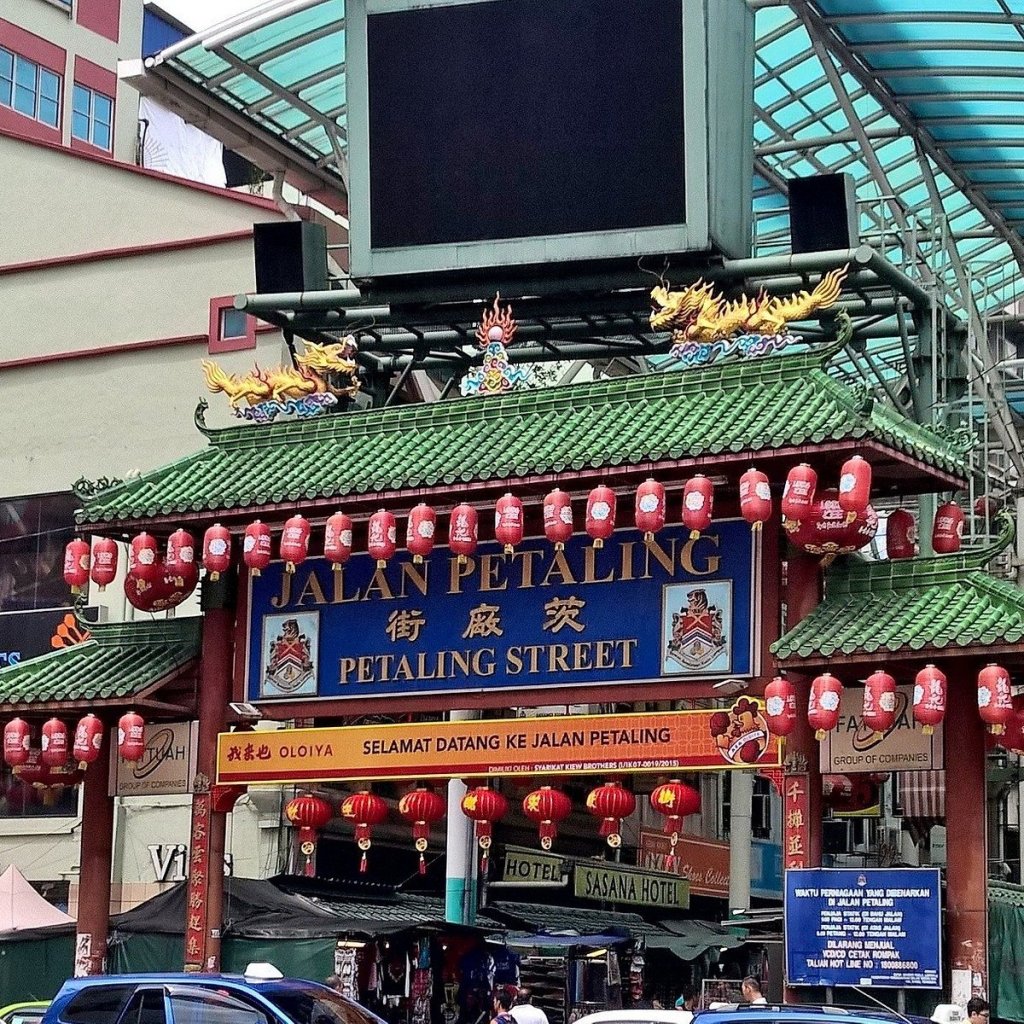
KL, Malaysia ( Petaling street, 茨厂街 )
Reference
Laurence J.C. Ma and Carolyn Cartier. 2003. The Chinese Diaspora – Space, Place, Mobility, and Identity
Yuki Yokohama. 2021. A Study on the Identity of Chinese Singaporean
My Chinaroots.com/places/651647/Thailand
-
Mahathir bin Mohamad and Malaysia
Mahathir bin Mohamad
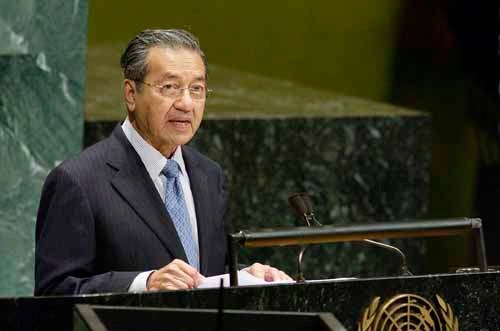
He is a Malaysian politician and doctor who served as prime minister from 1981-2003 and again from 18-20 A.D. He is also known as the “father of modernization” for his advocacy of “Look East” policies in the 1980s, learning from the economic growth of Japan and Korea, which led to a period of rapid economic growth.
After graduating from the Faculty of Medicine at the University of Malaya (now the University of Singapore) in 1953, he became a medical officer, but later became a practicing doctor; he was first elected to the House of Representatives in 1964; in 1969 he was expelled from the United Malayan National Organization (UMNO) due to a conflict with Prime Minister Rahman, but returned to UMNO in 1972, and in 1981 he became UMNO He became president of UMNO in 1981 and the fourth prime minister of Malaysia in July of the same year.
Policies
1) Sending foreign students and artisans from Malaysia to Japan
Over the past 40 years, approximately 26,000 Malaysians, including more than 8,000 international students, have been sent to Japan for education and training. Many of these foreign students have returned to their home countries to support Malaysia’s economic growth as leaders in politics and industry.
(2) Expansion of Japanese Companies
Mahathir actively attracted Japanese companies to Malaysia by offering preferential tax treatment. As a result, Japanese investment in the manufacturing industry has increased, as Japanese companies that had previously established operations in Malaysia have made additional investments in Malaysia, particularly in the electrical and electronics industries, and related companies have advanced into the country. Currently, nearly 1,500 Japanese companies have established operations in Malaysia, employing more than 400,000 Malaysians.
Bumiputra Policy
This policy was aimed at eliminating the economic disparity between ethnic groups in addition to economic activities against the Chinese, who have more economic power than the Malays. Bumiputra means “son of the land,” and the 5.13 Incident was the result of the outburst of dissatisfaction of the Malays against the economically superior overseas Chinese, and the NEP and Bumiputra policies were created to eliminate the economic disparity among ethnic groups.
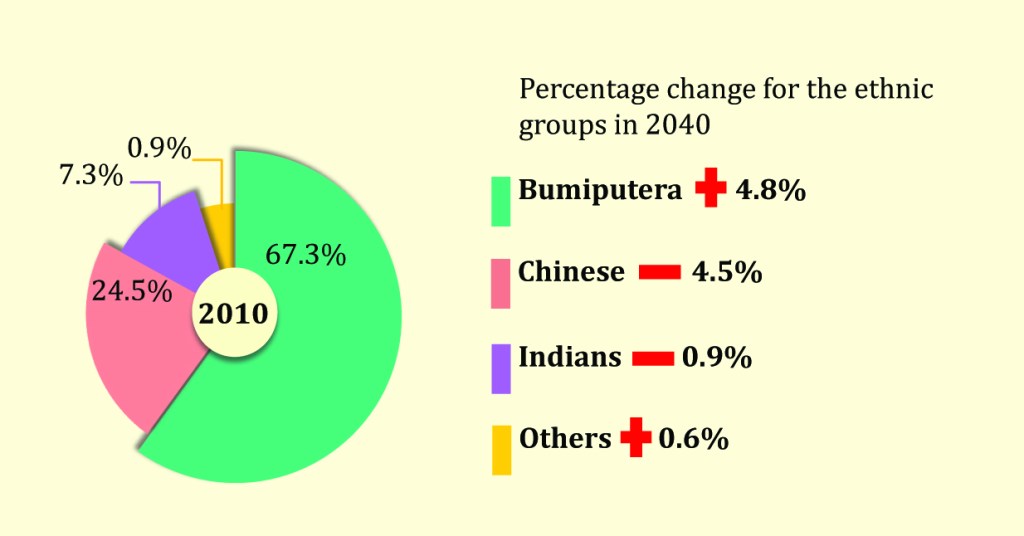
Although the majority of Malays in Malaysia are of Malay descent, the hard-working Chinese and Indians have grown economically, while the Malays, with their rough and optimistic character, are economically inferior to the Chinese and Indians.
Within Malaysia, people of different ethnic groups live clustered together so as not to irritate each other too much.
The Malaysian government tried to have students of these three ethnic groups study in the same school, but this was opposed by the Chinese population in particular, who wanted to establish a Chinese school. Thus, the Chinese and Indian residents are not too eager to assimilate into the majority Malay ethnic group.
Malaysia and Singapore
Singapore gained independence from Malaysia in 1965 and experienced rapid economic development. Singapore’s independence was triggered by Malaysia’s policy of preferential treatment of Malays and the opposition of ethnic Chinese, who were expelled from Malaysia.
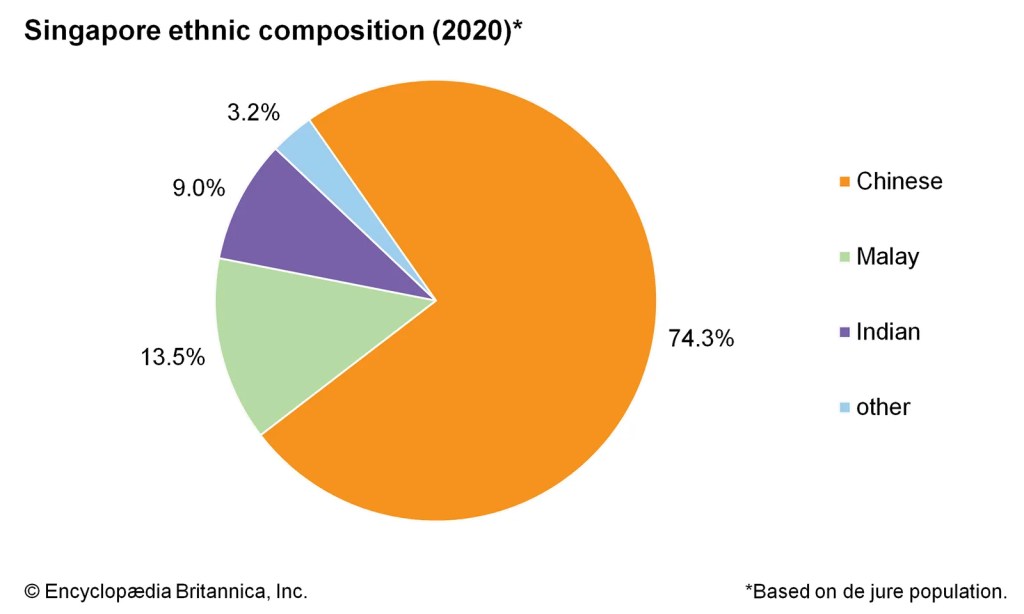
The majority of the population in Singapore, which is an independent country, is of Chinese descent.
Originally from the same country, Malaysia and Singapore maintain good relations due to their similar ethnic, religious, and other cultures. In addition, two major bridges connect the two countries’ borders, and approximately 60,000 vehicles come and go daily. Singapore relies on imports from Malaysia for most of its domestic water and drinking water.
Reference :
– マハティール・ビン・モハマド, 2013, 「マハティールの履歴書」, (2023年8月17日取得), https://www.kinokuniya.co.jp/f/dsg-01-9784532168698 -
マハティール氏とマレーシア
マハティール・ビン・モハメド
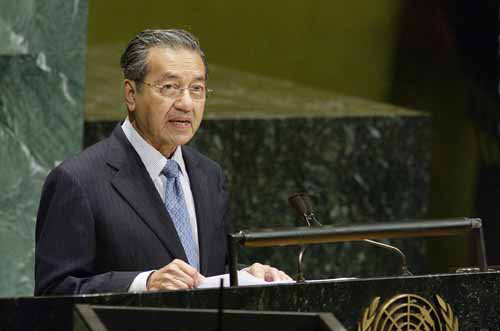
彼は、1981~2003年と、18~20年に首相を務めたマレーシアの政治家兼医師です。1980年代、日本や韓国の経済成長に学ぶ「ルック・イースト」政策を提唱し、高度成長期をもたらした功績から、「近代化の父」とも呼ばれています。
1953年にマラヤ大学(現、シンガポール大学)医学部卒業後、医務官となるが、のち、開業医になる。1964年下院議員に初当選した。1969年にはラーマン首相と対立し統一マラヤ国民組織(UMNO)を追放されるが、1972年にUMNOに復帰し、1981年にはUMNO総裁、同年7月にマレーシア第4代首相に就任。
ルック・イースト政策とは
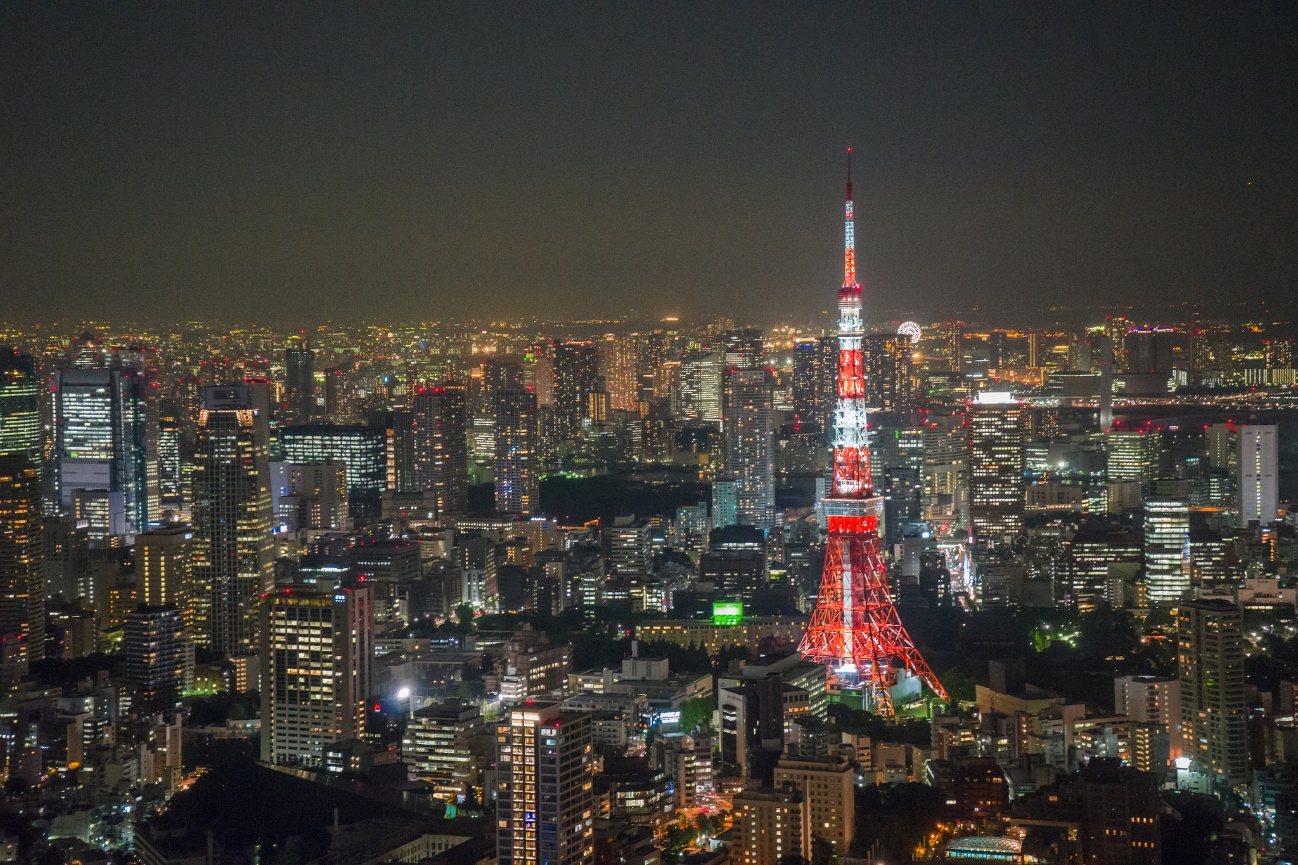
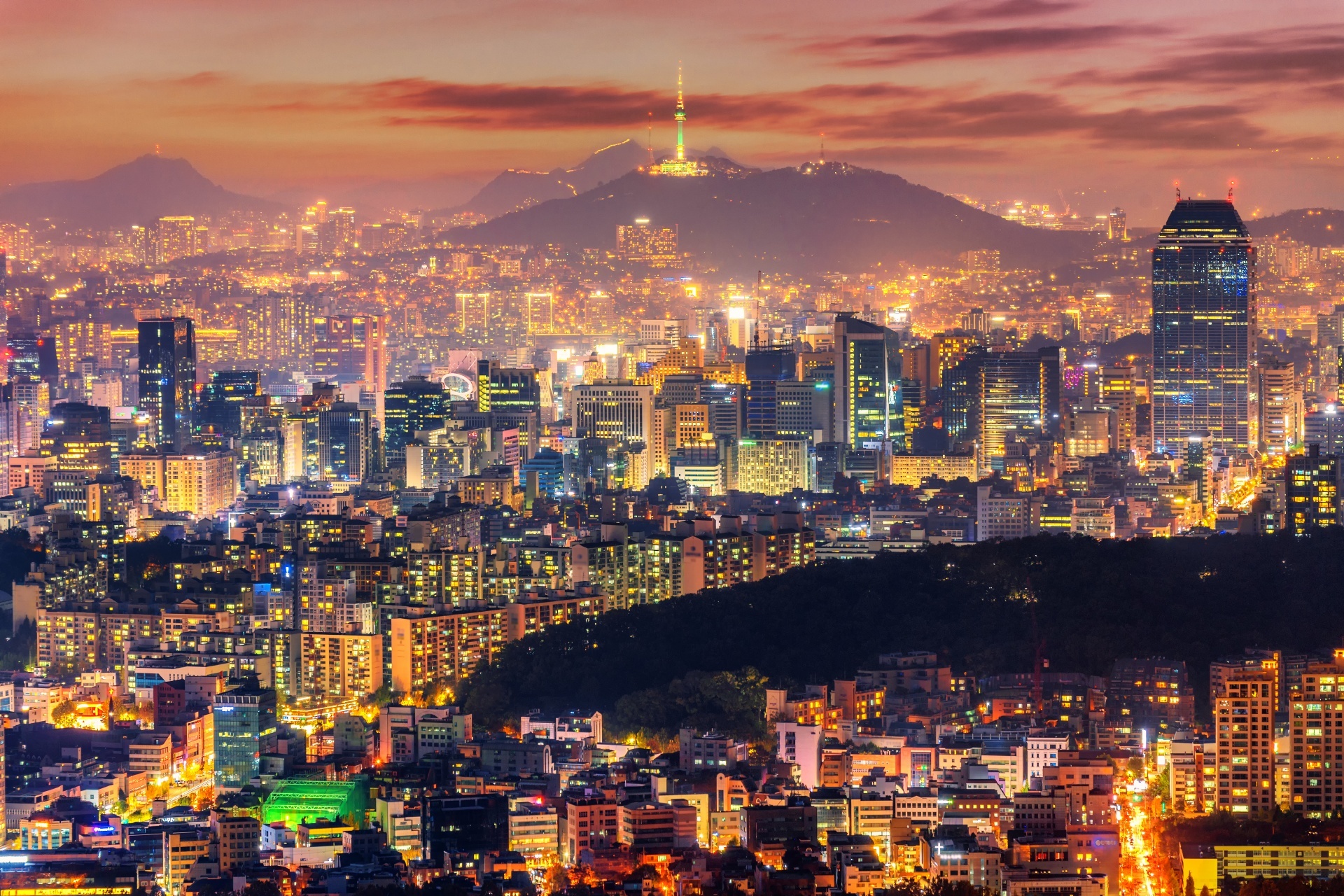
ルック・イースト政策は、マレーシアのマハティール首相が。西欧に代わって「東宝を見よ」と提唱した政策です。オランダやイギリスの植民地であったマレーシアは、マレー系国民を優先するブミプトラ政策をとり西欧の発展を見習ってきたが、1981年に就任したマハティール首相は、1970年代からの日本や韓国の高度経済成長に見習っていこうとした。
西欧の国々は、産業革命以来ゆっくりと経済成長を成し遂げたのに比べ日本は、持ち前の勤勉さで、あっという間に西欧諸国の発展に追いつき、終戦間もない1955年か1973年までの19年間には年平均で10%もの成長を続けました。特に、自動車産業、電気機械業、化学工業、造船業などのメーカーが海外からの革新的技術を取り入れ、新しい設備を導入しました。
かつてマハティールは、第二次世界大戦で英国が日本軍にたやすく負けたことに驚き、訪日の際には、日本の急速な経済成長や人々の働きぶりを目の当たりにしました。欧州的な価値観である行き過ぎた個人主義よりも、個人の利益より集団の利益を優先する日本の集団意識や労働倫理に学ぶべきだと提言しました。
日本や韓国はマレーシアと同じアジア圏の伝統的価値観を維持しながら近代化を果たし、西側と真正面から競争していたことに習い、マハティールは独自のスタンスで自国の発展を目指しました。
具体的な政策
①マレーシアから日本に留学生や職人を派遣
過去40年間で留学生8000人以上を含む、約26000人のマレーシア人が教育や訓練のために日本へ派遣されました。留学生の多くは、帰国後マレーシアの政治や産業の担い手として、経済成長を支えています。
②日本企業の進出
マハティールは、税制を優遇することで日本企業を積極的に誘致しました。その結果、従来マレーシアに進出していた日本企業が、電気・電子産業を中心にマレーシアに追加投資を進めたり、関連企業の進出が進んだりと、製造業への日本からの投資が増加しました。現在、日本企業1500社近くが進出し、マレーシア人40万人以上を雇用しています。
ブミプトラ政策
この政策は、マレー人より経済力のある中国人に対して経済活動に加え、民族間の経済格差の解消を狙ったものです。ブミプトラとは「土地の子」という意味で、5.13事件は経済的に優位に立つ華僑に対してマレー人の不満が爆発した結果であり、民族間の経済格差をなくすためのNEPやブミプトラ政策が生まれました。
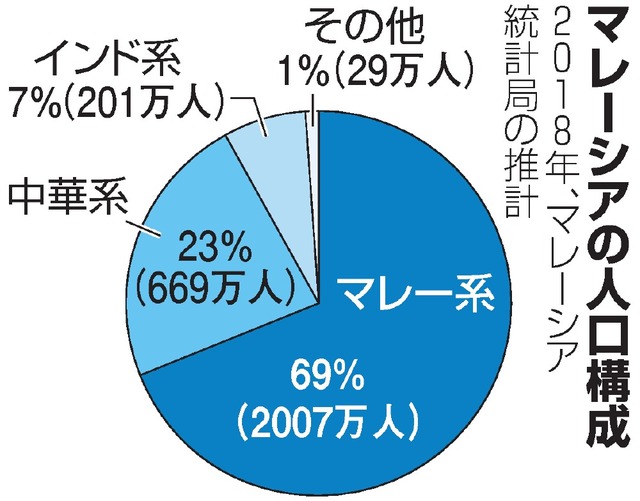
大半をマレー系が占めるマレーシアですが、勤勉な中華系やインド系住民は経済的に成長した一方、大雑把で楽観的な性格をしているマレー人は、経済的に中華系やインド系住民に劣っています。
マレーシア国内では、異民族どうしはお互いにあまり刺激しないように、各民族同士固まって生活をしています。
マレーシア政府は、この3大民族の生徒を同じ学校で学ばせようと進めましたが、特に中華系住民に反対され、彼らは中華系学校を作りたいと考えていました。このように、中華系やインド系住民はあまり大半のマレー系民族に同化しようとはしていません。
マレーシアとシンガポール
シンガポールは1965年にマレーシアから独立し、急速に経済発展を遂げました。マレーシアのマレー人優遇政策と中華系民族が反発し、シンガポールはマレーシアから追放されたのが独立のきっかけです。
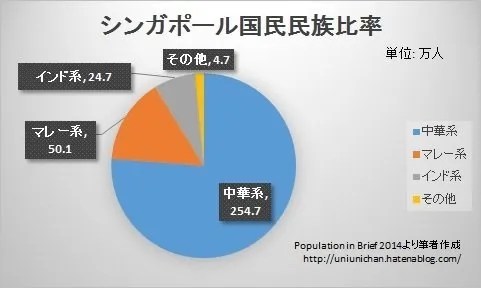
中華系住民を中心に独立したシンガポールでは、中華系住民が大半を占めています。
元々同じ国で民族や宗教などの文化が似ており、マレーシアとシンガポールは良好な関係を維持しています。また、両国の国境には2本の大きな橋がつながり、毎日約6万台の車両が往来しています。シンガポールは、生活水や飲料水のほとんどをマレーシアからの輸入に頼っています。
Reference :
– マハティール・ビン・モハマド, 2013, 「マハティールの履歴書」, (2023年8月17日取得), https://www.kinokuniya.co.jp/f/dsg-01-9784532168698 -
India – China relations
About India
( Location )
It is bordered by the Indian Ocean to the south, the Arabian Sea to the southwest, and the Bay of Bengal. It borders Pakistan to the west, China, Nepal and Bhutan to the northeast, and Bangladesh to the east. Sri Lanka and the Maldives are nearby in the Indian Ocean, and the Andaman and Nicobar Islands have a maritime border with tight Indonesia.
( Population )
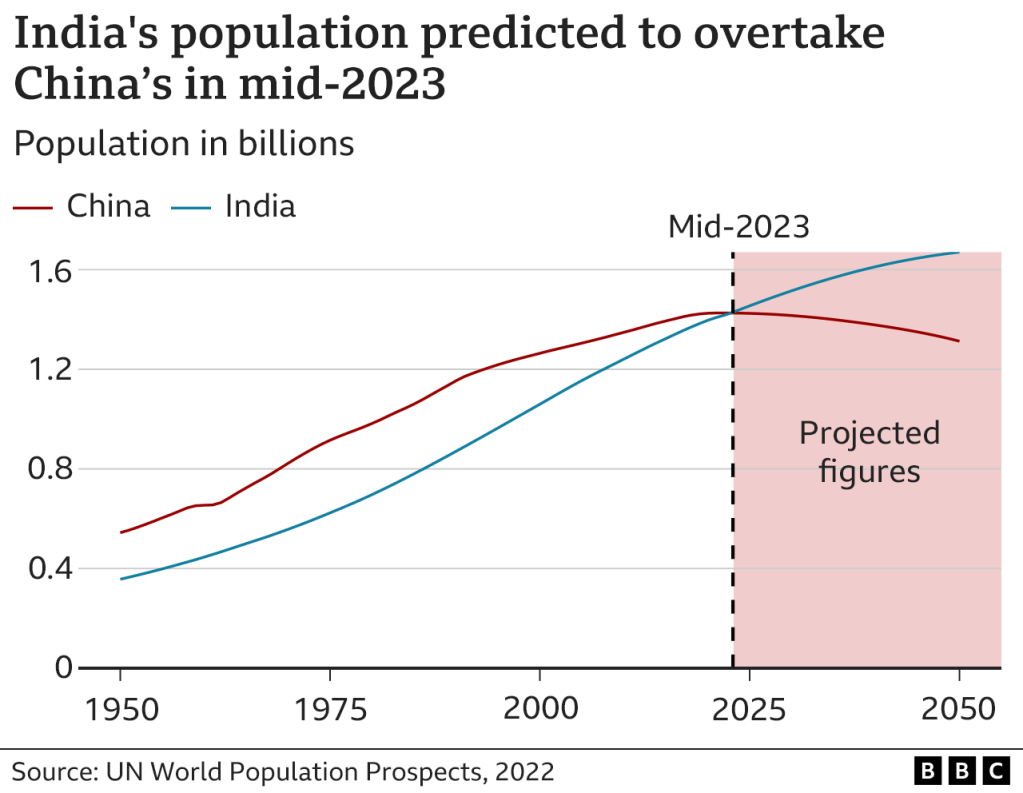
India’s population overtook that of China, the world’s most populous country for many years, by 2023. One of the reasons for the population increase is believed to be a decline in infant mortality due to improved sanitation and other factors. In addition, India’s high economic growth and self-sufficiency in wheat and rice, which are indispensable for making curry and other dishes, are also thought to be behind the increase.
- Current population of India : 1428.6 million
- Current population of China : 1425.7 million
( Topography )
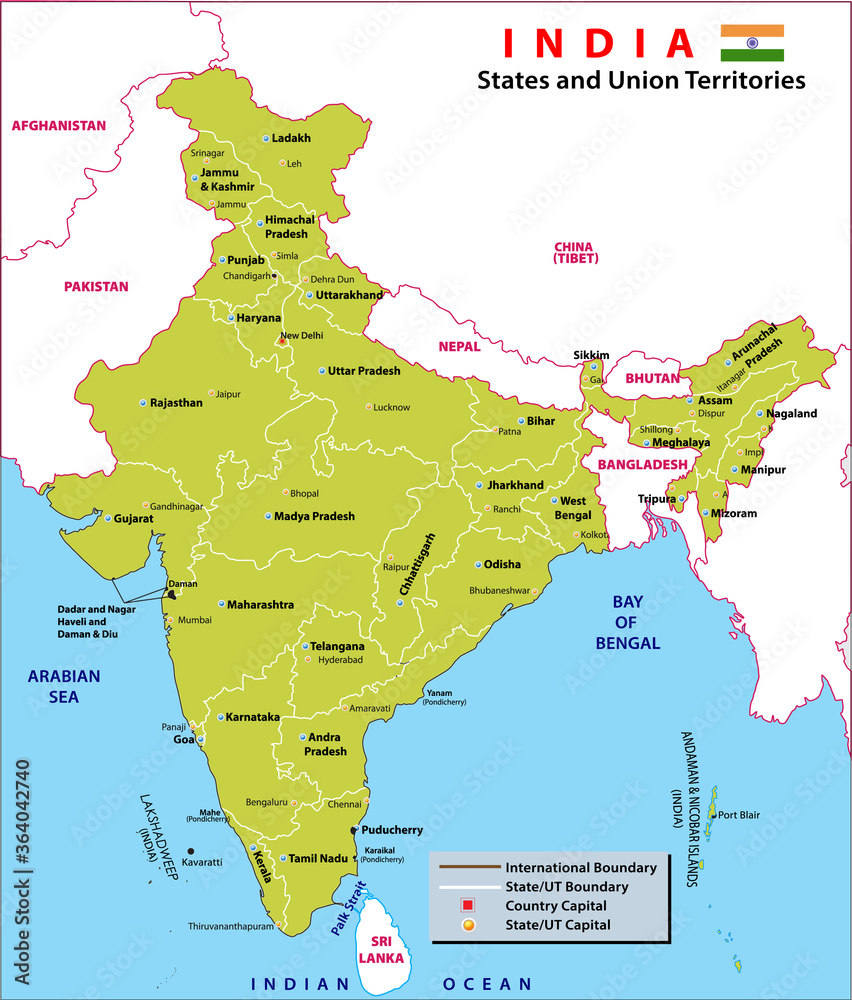
Total land area: 3,287,263 km² (world’s largest 7) 8.8 times that of Japan
North/Central India: Almost the entire area is covered by the fertile Hindustan Plain
South India: Deccan Plateau almost entirely covered by the Deccan Plateau
Western India: rocky sandy tar deserts
Eastern/ Northern India: steep Himalayan Mountains occupy the area
Border Issues with China
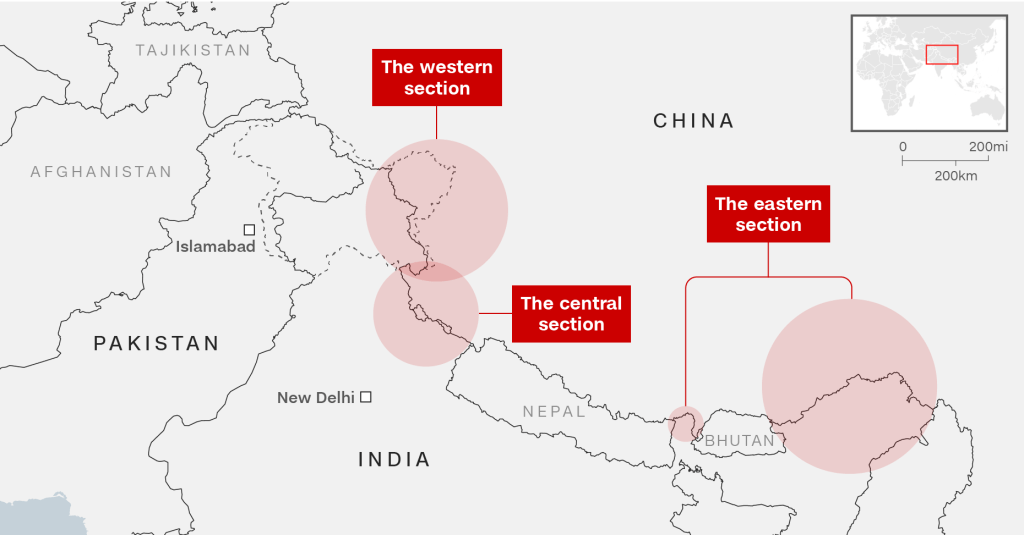
Sino-Indian border dispute: a border dispute in the Himalayan region between China and India.
(List of Border Disputes)
Tibet was merged into China, but in March 1959, a Tibetan uprising broke out in an attempt to gain independence. However, the rebellion was crushed by Chinese troops, and the 14th Dalai Lama went into exile in India. Originally, there were strong ties between India and Tibet, and an armed struggle broke out in August 1959 for the security of Tibet and their own country.
(2) On the unsettled Sino-Indian border, standoffs continued after the two sides clashed in June 2020 in the northern Indian region of Kansimir, killing more than 20 soldiers; another skirmish in January 2009 in the northeastern Indian state of Sikkim resulted in injuries to both sides.
(Kansimir and Sikkim Region Issues)
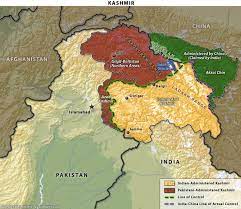
The eastern half of the Kansimir region, across the Line of Control, is controlled by India and the western half by Pakistan. A large part of the Lac region, located on the northeastern edge of Kansimir controlled by India, is occupied by China. The Indian side stated, “The issue of ownership of Kansimir has already been resolved and Kansimir is an indivisible territory of India. Pakistan is illegally occupying a part of it”.
The effective associations in the region are ambiguous, and rivers, lakes, and snow near mountain peaks make it difficult to determine the associations. China and India have held several rounds of talks over the past 30 years, but the border issue has not been resolved. India claims that China has sent thousands of troops into the Galwan Valley and occupies 38,000 square kilometers of Indian territory.
In 2021, armed clashes broke out between Indian and Chinese troops as the Chinese side planned to expand its territory by encroaching into areas under India’s effective control. This resulted in the death of more than 20 soldiers on the Indian side and many more on the Chinese side.
China’s “Belt and Road” Initiative
What is “Belt and Road” initiative
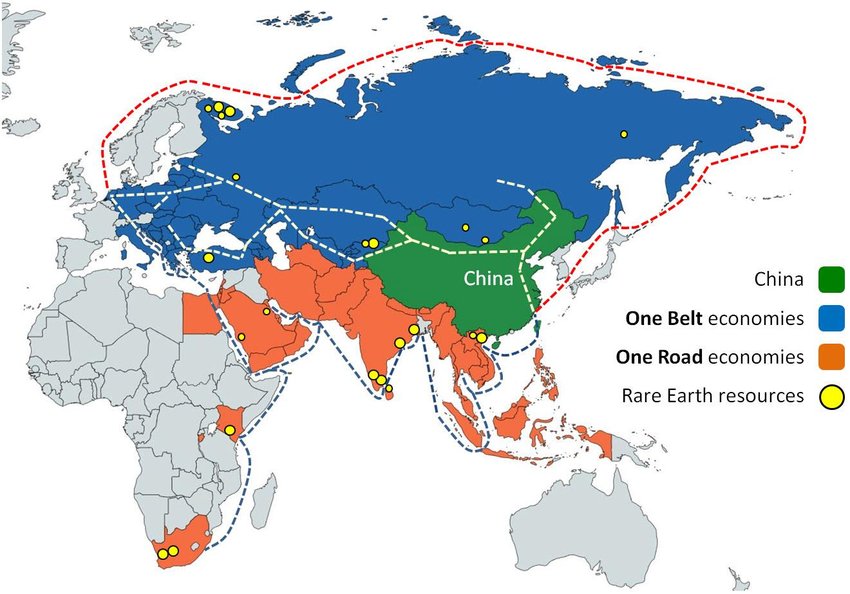
This is the general name for the concept, plan, and promotion of a broad economic zone between China and Central Asia, the Middle East, Europe, and Africa, which the People’s Republic of China has continued to promote since 2017. It began when General Secretary Xi Jinping proposed the construction of the “Silk Road Economic Belt” in a speech at Nazarbayev University in Kazakhstan on September 7, 2013, and was often proposed by General Secretary Zhou at APEC in Beijing, China on November 10, 2014.
( Concerns )
In some cases, China’s geopolitical and military objectives are of its own volition and threaten the security of neighboring countries.
① Port of Gwadar ( Pakistan )
In October 2001, China prepared a master plan, stating that three multipurpose berths would be constructed in the first phase. Of the total construction cost of $248 million, China contributed $198 million, and China Harbor Construction Co. was in charge of the construction work. The first vessels entered the port in March 2008, although the completion of the project was delayed much later than March 2005 due to construction delays.
Karachi, the largest commercial city, is about 600 km away from Gwadar, and only one road connects the two cities. From here, goods are transported by rail or truck, but it is clear that it is more convenient and faster to use the well-maintained port of Karachi. China must have known this from the beginning, but still insisting on Gwadar is still grounds for suspicion that it intends to use it as a military port.
Pakistan has built much of its infrastructure with Chinese loans. Excluding the construction of a new airport in Gwadar, which is a grant aid, the cost of one section of the highway construction project between Peshawar and Karachi, mentioned above, is about $2.9 billion, but the financial source is an interest-free loan from China. The Pakistani government will eventually have to reimburse the loan, but the government’s finances continue to be in a critical situation, and it may not be able to reimburse the loan as expected. This has increased China’s influence in Pakistan in terms of finances. As China’s influence grows, more and more countries will not be able to complain or express their opinions about so-called China.
② Port of Hanbantota
Sri Lanka is smaller than Hokkaido, Japan, and is home to approximately 22.16 million people. Sri Lanka is also located on the sea lanes of the Indian Ocean. 2008 saw the start of the first major phase of construction for the new terminal, with a total cost of approximately $360 million, 85% of which was borne by the Export-Import Bank of China and the remaining 15% by the Association of Sri Lankan Ports and Harbours Authority (ALPA). China Port Engineering, a major construction company with the participation of China Jiao Tong Construction, was the contractor. The construction was a Chinese initiative.
Hambantota Port fell into a debt trap when revenues did not rise as expected. The Sri Lankan government could not see any way to repay the debt, so it reached an agreement with China Merchants Port Authority (CMport) to establish two joint ventures, SLPA and CMport, called “Hambantota International Port Services,” and the right to operate Hambantota Port was transferred to both companies for 99 years. However, with 85% of the investment held by CMport and the remaining 15% by SLPA, China has almost completely taken control of this port in terms of operations.
Even with foreign government cooperation and corporate loans, without a realistic repayment plan, the port would be caught in a “debt trap. The Hambantota port has become a perfect example of this.
(India’s position)
India is concerned about the rapidly growing Chinese influence in South Asian countries such as Sri Lanka, Nepal, and Bhutan, which are India’s neighbors.
India considers all of Kansimir as its territory based on the 1947 offer by the then King of Jammu and Kangshimir to belong to India. Therefore, both AJK ( Azad Jammu and Kansimir ) and GB ( Gilgit-Baltistan ) are recognized as its own territory and are illegally occupied by Pakistan.
The CPEC (China-Pakistan Economic Circuit) passes through GB, which is supposed to be its own territory, which means that Pakistan is developing it on its own. India is not positive about the One Belt, One Road initiative because of the strong perception that its own territory is threatened by it.
Chinatown in Culcatta
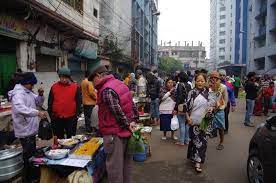
As one of the largest settlements of 18th century Chinese immigrants in India, Chinatown is a delightful place to visit. Located in the east of the city near the Tangra and Territa Bazaar areas, Chinatown is a bustling area. Eighty percent of all Chinese are from Guangdong Province, with 9% from Hubei Province, 8% from Shandong Province, and 3% from other provinces. It is believed that the Opium War, the Taiping Rebellion, the Sino-Japanese War, and the Yihe Dan Incident caused many Chinese to migrate to India.

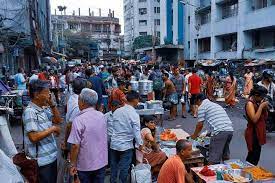
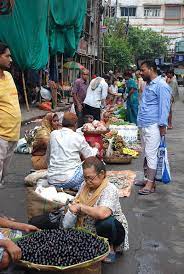
Although it has recently become smaller in size, the Chinese morning market is still open every day. This Chinese market sells Chinese breakfast, foodstuffs, and snacks every day between 7:00 and 8:30 a.m. There are also fruits, vegetables, meat, and fish available for purchase at lower prices than in other stores, in addition to non-Chinese items. Due to the decrease in the number of Chinese, it seems that more and more stores are hiring local Indian staff, even if many store owners are Chinese.
Reference :
– 笠井亮平, 2023, 「第三の大国 インドの思考」, (2023年8月10日取得, https://books.bunshun.jp/ud/book/num/1666140100000000000J
– http://kopilychee.info/?p=4257
– https://www.jstage.jst.go.jp/article/jags/2/1/2_32/_pdf
– https://kimcafetr.exblog.jp/26630049/ -
インドと中国間の関係
インドについて
( 位置 )
南にはインド洋があり、南西のアラビア海とベンガル湾にはさまれている。西はパキスタン、北東は中国、ネパールとブータン、東はバングラデッシュと国境を接している。インド洋ではスリランカとモルディブが近くにあり、アンダマン・ニコバル諸島ではタイトインドネシアとの間に海上の国境がある。
(人口)
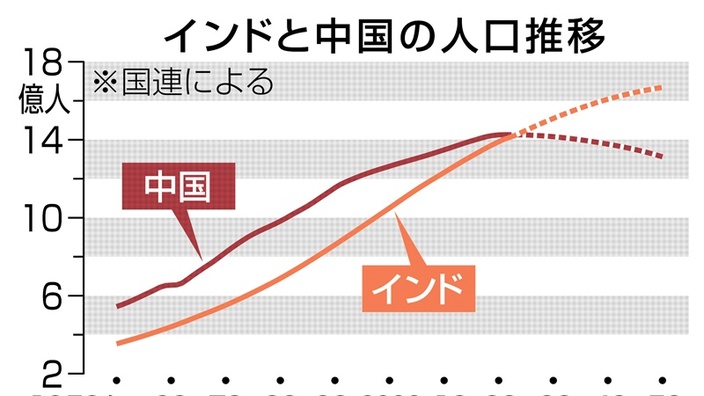
インドの人口は、長年人口世界一位の中国の人口を2023年に追い抜きました。人口増加の理由の一つとして、衛生環境の改善などによる乳幼児の死亡率の低下があるとみられています。また、高い経済成長が続いていることや食料の面でカレーの難などに欠かせない小麦やコメの自給率が高いことも背景にあるとみられます。1970年代前半のインドの平均寿命が49.7歳だったのが、2000年代後半には69.7歳へと、20年も長くなっています。
現在のインド人口:14億2860万人
現在の中国人口:14億2570万人
(地理)
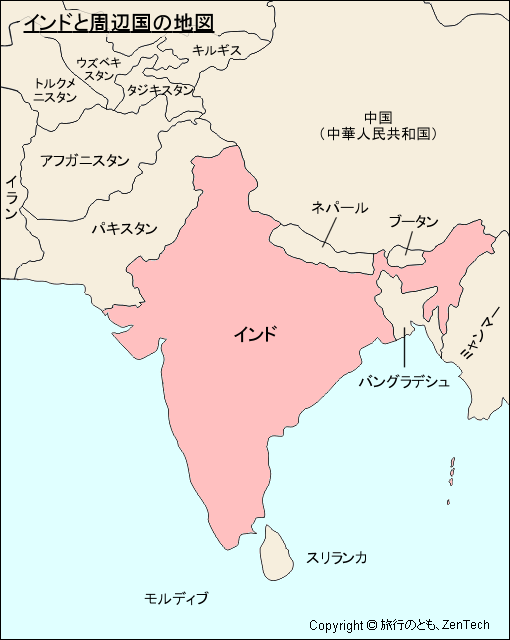
陸地総面積:3,287,263km² (世界大7)日本の8.8倍
北インド/ 中央インド:ほぼ全域に肥沃なヒンドスタン平野が広がっている
南インド:ほぼ全域がデカン高原
西インド:岩戸砂のタール砂漠
東部・北部インド:険しいヒマラヤ山脈が占めている
中国との国境問題
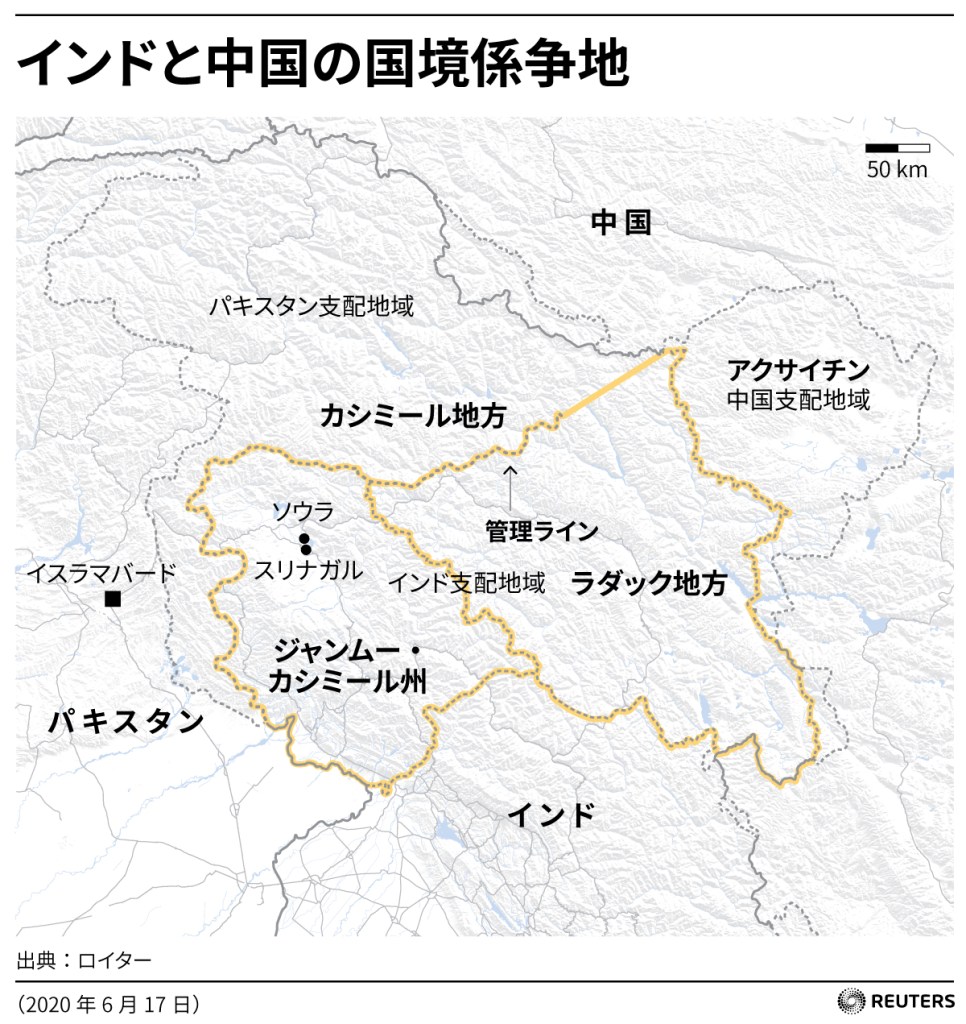
中印国境紛争:中国とインドの間で起こったヒマラヤ地方での国境紛争。
(国境紛争一覧)
①チベットの反乱から国境紛争へ:チベットは中国に合併されたが、1959年3月に独立を目指しチベットの反乱がおこった。しかし、反乱は中国軍に鎮圧され、ダライ=ラマ14世はインドに亡命した。元々インドとチベットには強いつながりがあり、チベットと自国の安全のために1959年8月に武力闘争が勃発した。
②中印の未確定の国境では、2020年6月に印北部カンシミール地方で両軍が衝突し、兵士20人以上が死亡してからにらみ合いが続いた。21年1月にもイン北東部シッキム州での小競り合いで、両軍に負傷者が出た。
(カンシミールとシッキム地方問題)
カンシミール地方は管理ラインを挟んで、その東半分がインド、西半分がパキスタンによって支配されている。インドが支配するカンシミール東北端に位置するラック地方の大きな部分が中国によって占領されている。インド側は、「カンシミールの帰属問題はすでに解決済みで、カンシミールはインドの不可分の領土である。パキスタンはその一部を不法占拠している」と主張しています。
この地域の実効支配の協会は曖昧で、川や湖、山頂付近の雪などが協会の確定を難しくしている。中印両国は過去30年間で何度か協議を重ねてきたが、国境問題は解決されなかった。インドは、中国がガルワン渓谷に数千人の部隊を送り込み、インドの領土を3万8000平方キロにわたって占拠していると主張している。
2021年には、中国側がインドの実効支配地域に侵入して領土拡大を目論んだことで、インド軍と中国軍間で武力衝突が起こった。これにより、インド軍側の兵士が20人以上死亡し、中国軍側にも多くの死者が出た。
中国の一帯一路政策
( 一帯一路構想とは)
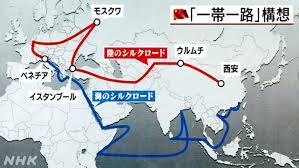
中華人民共和国が2017年から推進し続け、中国と中央アジア・中東・ヨーロッパ・アフリカにかけての広域経済圏の構想・計画・宣伝などの総称です。習近平総書記が2013年9月7日に、カザフスタンのナザルバエフ大学における演説で「シルクロード経済ベルト」構築を提案したことが始まりで、よく2014年11月10日に中国北京市で開催されたAPECで周総書記が提唱した。
①シルクロード経済ベルト(一帯):中国からユーラシア大陸を経由してヨーロッパにつながるルート。
②21世紀海上シルクロード:中国沿岸部から東南アジア、南アジア、アラビア半島、アフリカ東岸を結ぶ海路・
(懸念)
中国が自国本意の地政学的・軍事的目的で事業を展開し、周辺国の安全保障を脅かすケースがる。
①グワーダル港
2001年10月に、中国はマスタープランを作成し、第一フェーズで3つの多目的バースを建設するとした。総工費2億4800万ドルのうち中国は1億9800万ドルを拠出し、中国港湾建設有限公司が建設作業を担当した。工事の遅れにより完成が05年3月よりも大幅にずれ込んだものの、08年3月に最初の船舶が入港した。
グワーダルから最大の商業都市のカラチまで約600キロメートル離れており、両都市を結ぶのは1本の道路しかない。ここから鉄道かトラックで荷物を輸送することになるが、整備も整っているカラチ港を使う方が便利で速いことは明らかです。中国も、このことは初めからわかっていたはずだが、それでもグワーダルにこだわるのは、やはり軍港として利用する意図があるという疑念の根拠になります。
パキスタンは、多くのインフラを中国の融資で建設している。無償資金協力のグワーダルの新空港建設を外して、前出のペシャワール・カラチ間の高速道路建設計画の1部区間の費用は約29億ドルだが、財源は中国からの無利子融資です。パキスタン政府はいずれ償還しなくてはいけないが、政府の財政は危機的状況が続いており、予想通りの償還ができない可能性もある。これにより、財政面でも中国のパキスタンでの影響力は強まってきています。中国の影響力が強まると、いわゆる中国に対して文句や意見できない国が増えることになります。
②ハンバントタ港
スリランカは、北海道より一回り小さく、約2216万人の人々が住んでいます。また、スリランカはインド洋のシーレーン上に位置しています。2008年には、新ターミナルの新設をじくとする大1フェーズが着工し、総工費は約3億6000万ドルで、このうち85%を中国輸出入銀行が負担し、残りの15%をスリランカ港湾庁(ALPA)が負担した。建設大手の中国交通建設参加の中国港湾工程が請け負った。この工事は、中国主導で行われた。
ハンバンドタ港は、目論見通りに収入が上がらず、債務の罠に落ちいった。スリランカ政府は債務の返済の目途が付かず、中国招商局港口(CMport)との合意で、SLPAとCMportという二つの合弁会社である「ハンバントタ国際港湾サービス」を設立し、両社にハンバンドタ港の運営権が99年間譲渡されることになった。しかし、出資割合の85%が CMport、残りの15%がSLPAに握られている状態で、運営についてはほぼ中国がこの港を掌握したことになりました。
外国政府のきょうりょくや企業の融資を受けるにしても、現実的な返済計画が無ければ「債務の罠」にはまってしまう。ハンバントタ港はまさにその典型例になってしまいました。
(インドの立場)
インドの周辺国であるスリランカ、ネパール、ブータンといった南アジア諸国で中国の影響力が急速に強まっていることに、インドは懸念を示している。
インドは1947年当時のジャンムー・カンシミール藩王がインドへの帰属を申し出たことに基づき、カンシミール全土を自国領と見なしている。したがって、AJK ( アザード・ジャンムー・カンシミール)もGB (ギルギット・バルティスタン)も自国領という認識があり、パキスタンが不法に占拠していることになる。
CPEC (中国・パキスタン経済回路)は、自国領であるはずのGBを経由しており、パキスタンが勝手に開発を進めていることになる。それにより、自国領が脅かされているという認識がインドでは強いため、一帯一路構想については前向きではない。
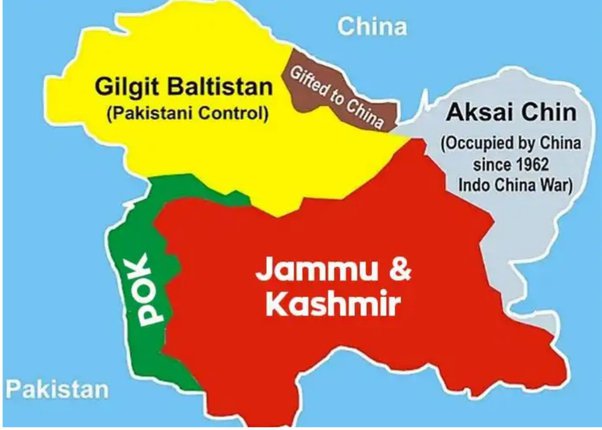
コルカタの中華街
インドで最大級の18世紀に移住してきた中国人移民の居住地であるこのチャイナタウンは訪れるのが楽しい場所です。街の東のタングラおよびテリタ・バザーエリア付近にあるチャイナタウンは賑やかなエリアです。華人全体の80%が広東省出身で、そのほかには湖北省籍者が9%、山東省籍者が8%、そのほか3%となっています。アヘン戦争、太平天国の乱、日中戦争、義和団事件といった中国の政治的動乱により多くの中国人はインドへ移住したと考えられています。
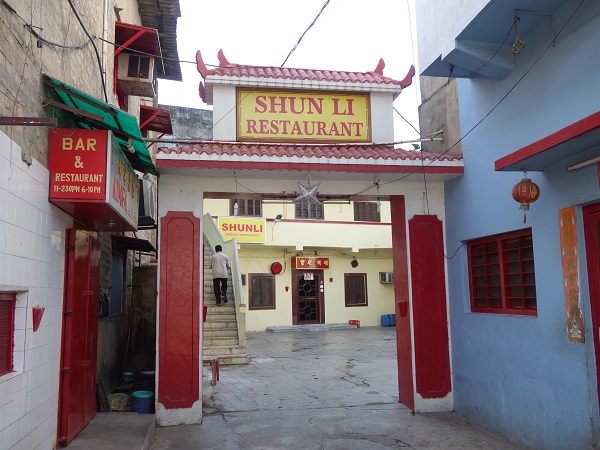
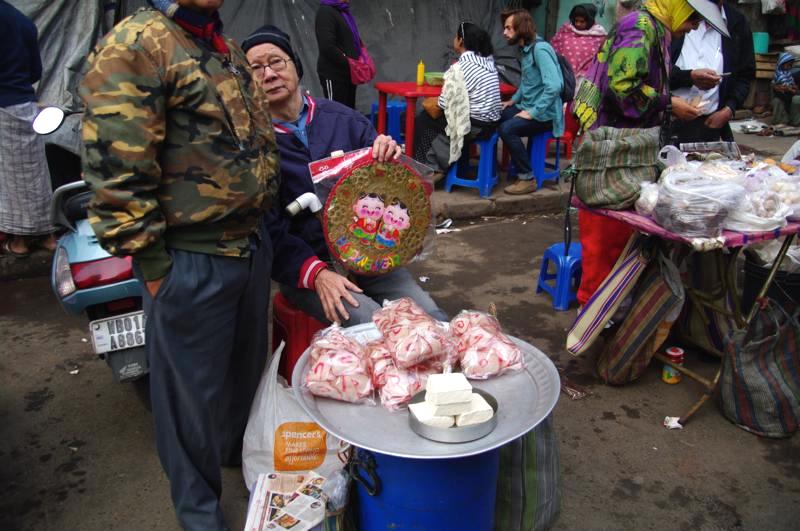
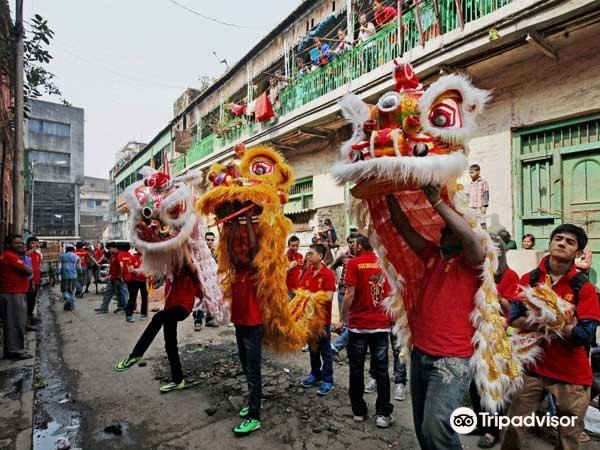
最近、規模は小さくなっているとはいえ、まだ華人の朝市場は毎日やっています。この華人市場は、毎日朝7時〜8時半の間に中華の朝食や、食材、おやつを売っており、華人系以外にも果物や野菜、肉、魚などもあり、他店に比べ安く購入出来ます。華人の減少により、多くのお店のオーナーは中華系だとしても、現地のインド人スタッフを雇うところが増えてきているみたいです。
Reference :
– 笠井亮平, 2023, 「第三の大国 インドの思考」, (2023年8月10日取得, https://books.bunshun.jp/ud/book/num/1666140100000000000J
– http://kopilychee.info/?p=4257
– https://www.jstage.jst.go.jp/article/jags/2/1/2_32/_pdf
– https://kimcafetr.exblog.jp/26630049/ -
ジェイ・チョウ
ジェイ・チョウとは
周 杰倫(ジェイ・チョウ)は、1979年1月18日生まれの台湾出身の歌手、俳優、作曲家、作詞家。若者を中心に中華圏で絶大な人気を誇り、台湾で2000年11月にアルバム「jay」でデビュー。現在は、中国、香港、台湾、シンガポールや東南アジアなどで活躍する国際的な歌手です。中華圏では、彼のことを知らない人がいないほど、大人気な歌手です。

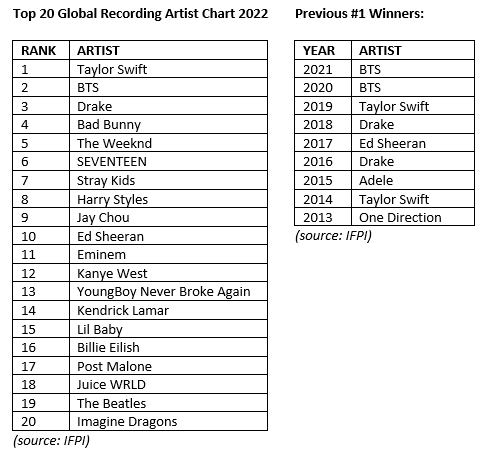
2020年の世界レコードアーティストチャートでは、あのビリーアイリッシュやエドシーランを抑え、9位にランクインしています。
人気な曲5選
- 晴天
直訳で、「晴れの日」という曲です。ゆったりとテンポの良い曲で、癖になるリズム感が特徴的です。
- 七里香
個人的に、一番気に入っている曲です。初めの、ゆっくりとした、少し悲しめなテンポからら始まり、さびの部分の高音パートまでがすべてバランスよく5分未満の曲の中に納まっています。ぜひ、聞いてほしい一曲です。
- 擱淺
直訳で、「頓挫する」という意味の曲です。これもまた、切ない恋愛ソングで、メロディーが記憶に残りやすい曲となっています。
- 告白氣球
中華圏の国々では、カラオケの定番で、ウェディングソングとしても人気のある曲です。2016年にリリースされた曲なので、ほかの3曲に比べて比較的新しいです。
- 說好的幸福呢
直訳で、「約束した幸せは?」という意味の曲です。これも、ジェイ・チョウの定番ソングで、悲しい曲調が印象的な一曲です。
彼の曲は、恋愛ソングが多いですが、どれも癖になるメロディーを持っていて、その全てが名曲だと言えます。それゆえに、13億人を超える人口を有する中国のナンバーワン歌手という称号も伊達ではありません。最近、k-popが若者を中心に人気ですが、私個人としては、優しいメロディーと少し切ない曲調のたまらないジェイ・チョウの曲を含めた、C-popをお勧めしたいです。彼の曲も含め、優しいメロディーが特徴的なC-popは、きっとエモい気持ちに浸りたいときや、思いっきり泣きたいときなどにはうってつけだと思います。
こちらは、直訳で「もし、可能なら」という曲で、個人的に今一番気に入っている一曲です。残念ながら、ジェイ・チョウの楽曲ではありませんが、現在中国、台湾を中心に人気強い曲です。リリースは2021年と、新しい曲でもあります。
-
Identity of Hong Kong People and it’s history
Brief History of Hong Kong
1839 Opium War (1840-42) 1842 Treaty of Nanjing brings Hong Kong Island under British rule. 1856 Arrow War (the second Opium War, 1856-1860) 1860 Treaty of Peking brings Kowloon Peninsula under British rule. 1898 Treaty signed making Hong Kong Island, Kowloon Peninsula, and the New Territories a British colony for the next 99 years. 1984 Joint statement issued by the U.K. and China agreeing to the return of Hong Kong under the one country, two systems system. 1997 return of Hong Kong (to mainland China) 2003 500,000 Demonstration Against National Security Ordinance 2014 Umbrella Movement 2015 Causeway Bay Bookstore Disappearance Case 2019 2 million demonstration against Fugitive Offenders and Mutual Legal Assistance in Criminal Matters Legislation 2020 National Security Law enforcement in Hong Kong - In 1839, following the British victory over China in the Opium War, Britain concluded the Treaty of Nanking with China and ceded Hong Kong Island; in 1956, the War of the Arrows broke out between China, Britain, and France, resulting in the Treaty of Peking, which ceded Kowloon Peninsula to Britain. In 1839, following the British victory over China in the Opium War, Britain concluded the Treaty of Nanking with China and ceded Hong Kong Island; in 1956, the War of the Arrows broke out between China, Britain, and France, resulting in the Treaty of Peking, which ceded the Kowloon Peninsula to Britain. In 1898, the British concluded a lease treaty with China, making Hong Kong Island, the Kowloon Peninsula, and the New Territories a British colony for the next 99 years.
The total area is 1,106 km², slightly smaller than Sapporo’s 1,121 km², and half the size of Tokyo. The total population is approximately 7.4 million, with a population density of over 6,600 people per km². Considering that Japan’s population density is about 350 people, one can see how high Hong Kong’s population density is. Ninety-one percent of the population is Han Chinese, and Cantonese is the commonly spoken language.
⇩ location of Hong Kong
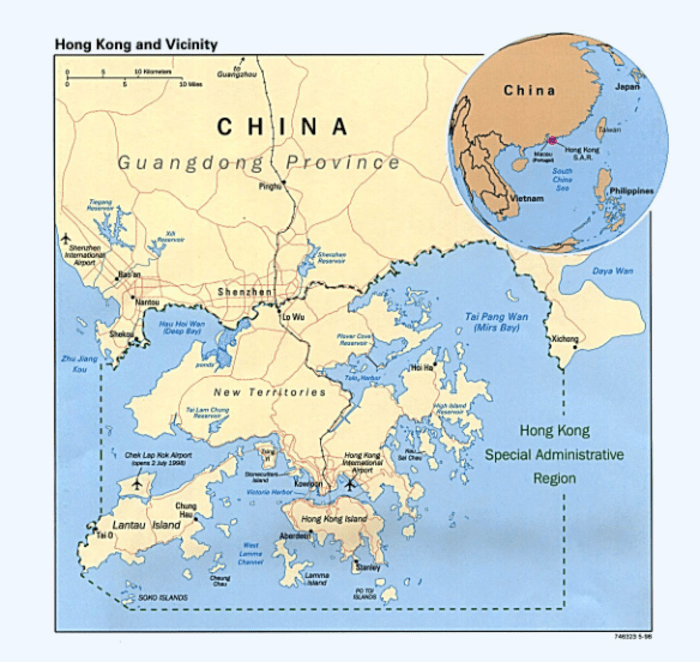
Hong Kong was returned to China on 1 July 1997 and began to be governed by China under a system of one country, two systems, which allowed a high degree of autonomy. This means that there are two systems of governance within the country of China – Hong Kong and China. In contrast to socialist China, Hong Kong, based on capitalism, continued to grow economically. Sharing values with Western countries, Hong Kong has the advantage of being able to bring in talent and capital more easily than socialist China.
In 2014, the Rain Umbrella Movement emerged, led by Zhou Tingying and Huang Zhi Feng, who were high school students at the time. This was due to China changing the system for choosing Hong Kong’s top executive, the Chief Executive, on its own. Those who are elected as Chief Executive are restricted to pro-China and patriotic people only, indicating that in the end, elections are only a formality and can only go as far as Beijing wants them to go. In response, Hong Kong citizens organised demonstrations. This is commonly known as the ‘Umbrella Movement’.
Fugitive Offenders and Mutual Legal Assistance in Criminal Matters Legislation allows suspects who are in Hong Kong because they are believed to have committed crimes abroad to be extradited upon request to a country or territory with which an agreement has been concluded. This could result in people who oppose the Chinese Government being extradited straight to China as a result of a fabricated crime. Hong Kong people, concerned about this, staged a massive demonstration. An estimated two million people took part in the demonstrations. Considering that the total population of Hong Kong is 7.41 million, this means that about 30% of the population took part in the demonstration.
In May 2020, China’s largest decision-making body, the National People’s Congress, enacted the Hong Kong and National Security Maintenance Law. This is a law consisting of 66 articles in total and is a response measure to the anti-Chinese government demonstrations by Hong Kong citizens in 2019, under which demonstrations by Hong Kong citizens are regarded as rebellions against the current system of governance and can be publicly punished under the law. This led to criticism from the UK and other developed countries, as the view that the one country, two systems system was not effectively maintained spread around the world. The Prime Minister of the former sovereign state of the United Kingdom, Boris Johnson, announced a policy to allow three million Hong Kong citizens to apply for British citizenship or permanent residence.On the identity of Hong Kong people
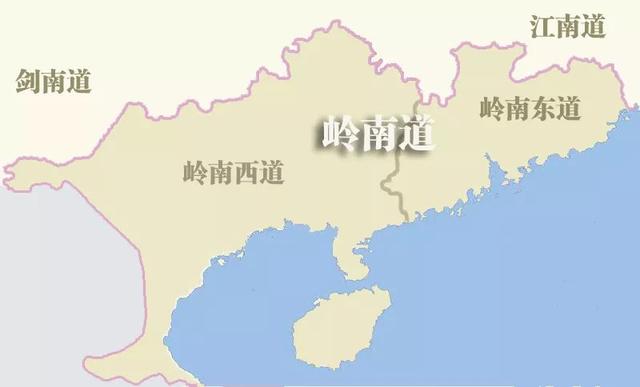
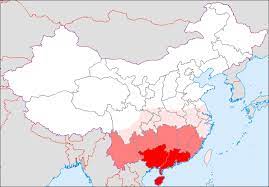
Hong Kong is a very unique place. Hong Kong is China, but not fully China. It is oriental, but not fully oriental. It is not Western, of course, although some Western institutions and culture remain. Hong Kong is part of South China, which represents southern China, but is also included in the geographical concept of ‘Lingnan’. Lingnan refers to present-day Guangdong Province, Guangxi and Hainan Island, a region with a culture similar to that of Vietnam and a strong image of being ‘outside’ the nuances of Chinese civilisation. This gives Hong Kong a special ‘boundedness’ and creates a unique identity that distinguishes it from China, the UK and surrounding South-East Asian countries.
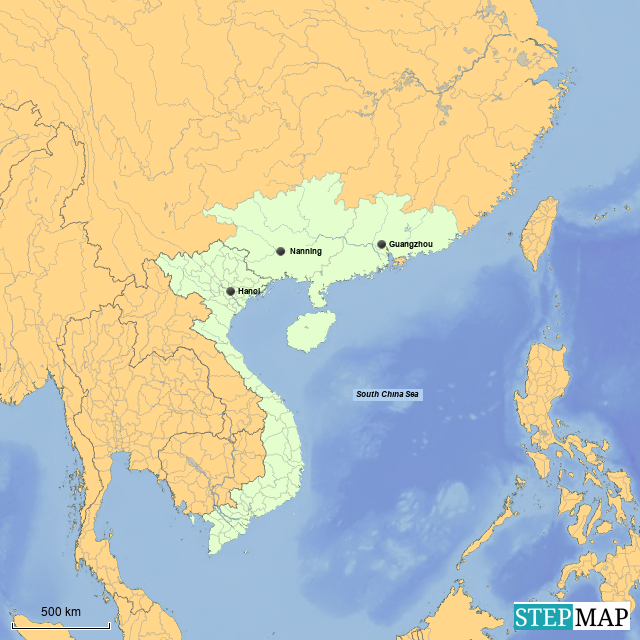
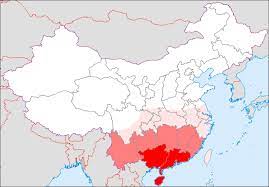
Hong Kong’s population now exceeds 7.4 million, with 92% of the total population being Chinese and the remaining 8% being mainly made up of Filipinos, Indonesians and British. The high proportion of Filipinos and Indonesians is due to the fact that they are employed as maids, known as ‘ama’.
Hong Kong’s population has swelled with every war and turmoil in China. Hong Kong had a dual role as a ‘port of refuge’ to protect ships from typhoons and bad weather, as well as a port of refuge for people fleeing China at any time. The population soared to 100,000 during the Taiping Tianyuan Rebellion of 1851, to 600,000 during the Xinhai Revolution and swelled to 1.6 million when the Sino-Japanese War broke out. The population fell to 600,000 during the Japanese Occupation, but returned to 2 million in 1950 during the National Communist Civil War, and surpassed 4 million in the Great Leap Forward and Cultural Revolution. These huge population movements can be called exodus.
The political boundary between Mainland China and Hong Kong was strengthened in 1949, when the Chinese Communist Party won the civil war and established its government, and this triggered the awareness of ‘Hong Kong people’. In addition, by the 1980s, Hong Kong had achieved an order of magnitude greater affluence than China, with improved education, public housing and a period of rapid economic growth. A new middle class of baby boomers, born and raised in Hong Kong, was created, giving rise to a prototype of ‘Hong Kong people’ consciousness different from that of Mainland Chinese. In Hong Kong, where Cantonese, as opposed to Mandarin in Mainland China, is commonly spoken, the rise of Cantonese films, music and other popular culture, together with the influence of Cantonese-based education, gave rise to Hong Kong’s distinctive identity.
Questions asking respondents whether they were Hong Kongers or Chinese often appeared in opinion polls in 1997 following the return of Hong Kong to China. According to a survey conducted by Dr Mariko Tanigaki of the University of Tokyo, 49.2 per cent said they were Chinese, 38.2 per cent said they were Hong Kong people and 10 per cent said they were both Chinese and Hong Kong people. It was found that 73% of respondents had relatives or friends in Mainland China, and 80% of them socialised with friends or relatives in Mainland China.Since 1997, fears of reversion have disappeared and China’s economic growth has also accelerated Sino-Hong Kong integration and increased Chinese consciousness. However, since 2008, China’s refusal to recognise Hong Kong’s universal suffrage, and a swing of confidence in Beijing, has re-enforced Hong Kong people’s identity: according to a Hong Kong University survey during the 2014 Umbrella Revolution, 75% of Hong Kong youth claimed that they are Hong Kong people, and not Chinese. It found that 75% of the respondents had an identity.
According to a poll conducted by the Hong Kong Institute of Public Opinion in June 2020, 50.5 per cent of people living in Hong Kong identified themselves as ‘Hong Kong people’, 25 per cent as ‘Hong Kong people of China’, 11.0 per cent as ‘Hong Kong Chinese’ and the remaining 12.6 per cent as ‘Chinese’.
The Xi Jinping administration, which was formed in November 2012, has begun to intervene in Hong Kong’s internal politics and clamp down on dissenters. The recent increase in Hong Kong people consciousness is related to the growing reality of the crisis that the political freedom of ‘Hong Kong’, the object of identity belonging, is under threat.
The future of Hong Kong
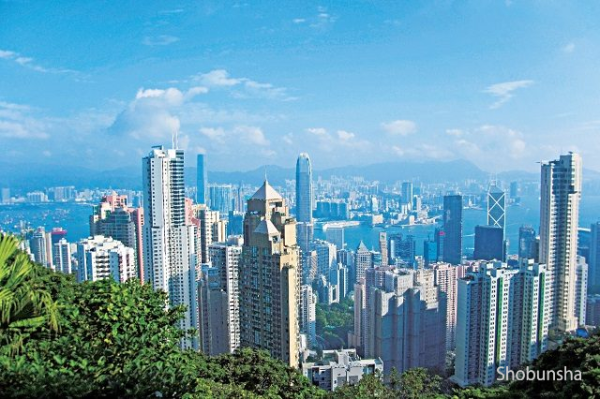
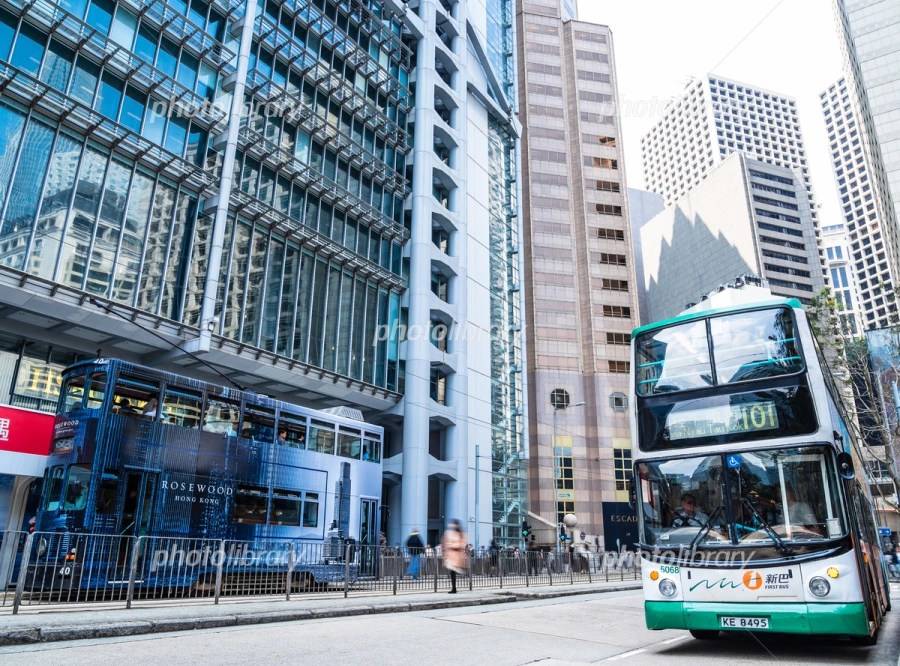
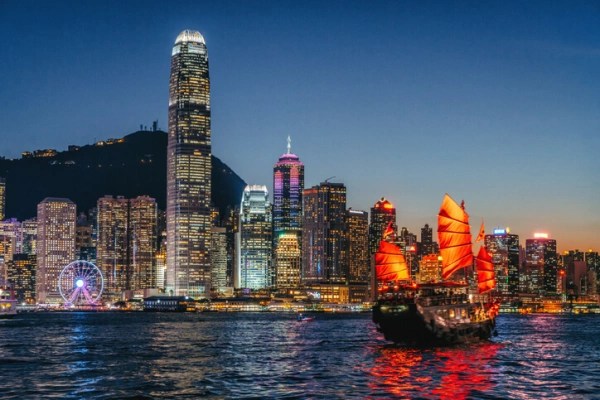
Around the time of Hong Kong’s reversion, Hong Kong earned 20% of China’s total GDP on 0.6% of China’s land. Although Hong Kong had an overwhelmingly high standard of living compared to mainland China, its current GDP contribution is only about 3% of the total. This is due to the economic growth of Mainland China, which has by no means shrunk Hong Kong. The GDP of Shenzhen City, located north of Hong Kong, exceeded Hong Kong’s GDP for the first time in 2018; in 2020, according to China’s Opportunity Cities 2020, published by a think tank, Hong Kong ranks ninth, fourth in terms of economic influence and fifth in terms of ease of doing business. This shows that Hong Kong’s presence in China has declined considerably compared to after the reversion. As an internationally recognised financial city, Hong Kong is still an excellent gateway between China and other countries. However, there are fears that international companies are no longer attracted to Hong Kong due to rising tensions between Chinese students and pandemic control. As a result, the number of international companies with regional headquarters in Hong Kong fell by nearly 10 per cent between 2018 and 2021, while the number of Chinese companies increased by nearly 28 per cent. This suggests that Hong Kong may become less international and more China-oriented than before.
Hong Kong citizens with financial resources now see Hong Kong’s future as bleak and are opting to move abroad. It is estimated that at least 200,000 to 300,000 people have so far migrated to other parts of the world, including the UK and Canada. Many of these people are doctors, teachers and other highly qualified personnel, and the shortage of human resources may become a social problem for Hong Kong in the future. Accordingly, in 2010, the Hong Kong Government established a new visa system for people with an annual income of at least 43 million yen or who have graduated from the world’s top 100 universities, in order to attract professional personnel. In less than two months since it began accepting applications, more than 10,000 people have applied, and the Hong Kong Government has expressed confidence in its ability to secure human resources, but the labour force has decreased by 180,000 over the past three years and the labour shortage is far from being resolved.
Hong Kong has experienced an immigration boom after each of the 1967 Hong Kong riots, the 1989 Tiananmen Square protests and the 1997 handover, and many people who once left Hong Kong because of such problems returned to Hong Kong after confirming its stability from the outside. Thus, it cannot be said that Hong Kong, a city with high population mobility to begin with, will decline due to the outflow of immigrants. However, in this case, if highly educated and highly knowledgeable personnel move abroad with their families, they may never return. It is quite unrealistic to expect Hong Kong, once a thriving financial city, to be able to compete with competitors such as Shanghai and Singapore without people like them and retain its influence as a financial city.
– 野嶋剛, 2020, 「香港とは何か」, ( 2023年8月2日取得, https://www.nippon.com/ja/japan-topics/bg900193/)
– https://news-japan.tokyo/hk-history/
– https://the-owner.jp/archives/11723
– https://gooddo.jp/magazine/peace-justice/terrorism_riot_demonstration/6278/ -
香港人のアイデンティティーと歴史
香港の大まかな歴史
1839年 アヘン戦争 1842年 南京条約により香港島がイギリスの統治下へ 1856年 アロー戦争 1860年 北京条約により九龍半島がイギリスの統治下へ 1898年 今後99年間は香港島、九龍半島、新界がイギリスの植民地になる条約締結 1984年 英中共同声明を発表、一国二制度での香港返還に合意 1997年 香港返還 2003年 国家安全条例に対する50万人デモ 2014年 雨傘運動 2015年 銅鑼湾(どらわん)書店失踪事件 2019年 逃亡犯条例に対する200万人デモ 2020年 国家安全法制定 - 1839年のアヘン戦争で、英国が中国に勝利したことにより、英国は中国と南京条約を結んで、香港島を割譲させました。1956年に、中国と、イギリスとフランス達の間でアロー戦争が勃発し、北京条約が結ばれました。これにより、九龍半島が英国に割譲されました。1898年に、英国は中国と租借条約を締結させ、今後99年間は香港島、九龍半島と新界が英国の植民地になりました。
⇩香港の位置
総面積は、1106km²で、札幌市の1121km²よりやや小さく、東京都の半分の面積です。総人口はおよそ740万人で、1km²あたりの人口密度は6600人を超えています。日本の人口密度が350人程度ということを考えると、香港の人口密度がどれだけ高いかがわかります。人口の91%は漢民族で、広東語が一般的に話されている言語です。

- 香港は、1997年7月1日に中国に返還され、一国二制度という高度な自治を認められた体制で中国による統治が始まりました。これは、中国という国の中に香港と中国という二つの統治体制を設けるということです。社会主義の中国に対して、資本主義をベースにした香港は経済成長を続けました。欧米諸国と価値観を共有している香港は、社会主義の中国よりも人材や資本を取り入れやすいという利点を擁しています。
- 2014年には、当時高校生だった周庭氏や黄之鋒氏を中心に雨傘運動が発生しました。これは、中国が香港のトップである行政長官を選ぶシステムを勝手に変えてしまった事によります。行政長官に選ばれる人は、親中派で愛国心を持った人だけに限定され、結局選挙は形だけのものになり、中国の思う通りにしかならないことを示します。これに反発した香港市民はデモをおこします。これが俗に言う「雨傘運動」です。
- 逃亡犯条例とは、海外で罪を犯したと思われる容疑者が香港にいる場合、協定を結ぶ国や地域への要請によって引き渡しを可能にするものです。これにより、中国政府に反対する人が犯罪をでっち上げられた結果、中国にそのまま身柄を引き渡される可能性があります。それを危惧した香港人が大規模なデモを起こしました。デモには推定200万人が参加したとされています。香港の総人口が741万人だということを考えると、人口の3割ほどの人々がデモに参加したことになります。
- 2020年5月に、中国最大の意思決定機関・全人代で「香港・国家安全維持法」が制定されました。これは、全66条から成る法律で、2019年に発生した香港市民による反中国政府デモに対する対応措置で、香港市民のデモを現在の統治体制への反乱と見なし、法のもとに公に処罰できる制度です。これにより、一国二制度は実質的に維持されていないと言う見解が世界中に広まり、英国をはじめとする先進各国から批判を受けました。旧宗主国の英国のボリス・ジョンソン首相は、香港市民300万人に対し、イギリスの市民権や永住権の申請を可能にする方針を発表しました。
香港人のアイデンティティーについて
香港はかなり特殊な存在です。香港は、中国であって、完全な中国では無く、東洋であって完全な東洋でもありません。そして、西洋的な制度や文化も残っていますが、もちろん西洋でもありません。香港は中国南部を示す華南の一部ですが、「嶺南」という地理的概念にも含まれています。嶺南とは、現在の広東、広西や海南島を示し、中華文明の「外」というニュアンスや、ベトナムに近い文化を有するイメージが強い地域です。このことから、香港には特殊な「境界性」が存在し、中国、英国や周辺の東南アジア諸国とは異なった独自性と固有の香港人アイデンティティーが存在します。
香港の人口は現在740万人を越え、全体の92%が中国人で、残りの8%の主な人種構成はフィリピンやインドネシア、英国となっています。フィリピンやインドネシア人の割合が高いのは、「アマ」と呼ばれるメイドとして雇われているからです。
香港の人口は、中国で戦乱や混乱が起こるたびに膨れ上がりました。香港には、台風や悪天候から船を守る「避難港」という役割のほか、常に中国から逃げ出す人々の避難港という役割も兼ね備えていました。人口は、1851年の太平天国の乱で10万人に急増し、辛亥革命で60万人になり、日中戦争が起きると160万人にまで膨れ上がりました。日本占領時には60万人に減少するも、1950年には国共内戦で200万人に戻り、大躍進と文化大革命で400万人を突破しました。こうした巨大人口の移動はエグゾダスと呼べる規模です。
中国共産党が内戦に勝利して政権が樹立する1949年には、中国大陸と香港間の政治境界線が強化され、このことが「香港人」が意識されるきっかけになりました。また、香港では1980年代までに教育の整備、公共住宅の充実、そして高度経済成長期を迎え、中国とは桁違いの豊かさを手に入れました。ベビーブーマーの香港生まれ、香港育ちの新中間層がされ、大陸の中国人とは異なる「香港人」意識の原型が生まれました。中国本土のマンダリンとは異なる、広東語が一般的に普及している香港において、広東語による映画や音楽などのポピュラー文化の興隆、さらに広東語を使った教育の影響もあり、香港独自のアイデンティティが生まれました。
香港返還後の1997年の世論調査では回答者に「香港人か、中国人か」を尋ねる設問がしばしば現れました。東京大学の谷垣真理子博士の調査によると、49.2%が「中国人である」と回答し、38.2%が「香港人である」と回答し、10%が「中国人でもあり香港人である」と回答しました。回答者の73%が中国大陸に親戚や友人を持ち、そのうちの8割は中国大陸の友人や親戚と交際していることがわかりました。1997年以降、返還への恐れが消え、中国の経済成長もあって、中港融合が加速し、中国人意識が高まりました。しかし、2008年以降、中国は香港の普通選挙を認めず、北京への信任が揺らぎ、香港人アイデンティティが再び強まりました。2014年の雨傘革命時の香港大学の調査によると、香港の若者の75%が「自分は香港人である」と主張し、中国人ではなく香港人であるというアイデンティティを持っている人が75%を占めていることがわかりました。
2020年6月に行われた、香港民意研究所による世論調査によれば、香港に住む人々の50・5%が「香港人」、25%が「中国の香港人」、11.0%が「香港の中国人」で、残りの12.6%が「中国人」と回答しました。
2012年11月に成立した習近平政権は、香港域内政治の介入や反対者への締め付けを強化し始めました。昨今、香港人意識が強まったのは、アイデンティティの帰属対象の「香港」の政治的な自由が脅かされているという危機感が、現実味を増したことに関係します。
香港の将来
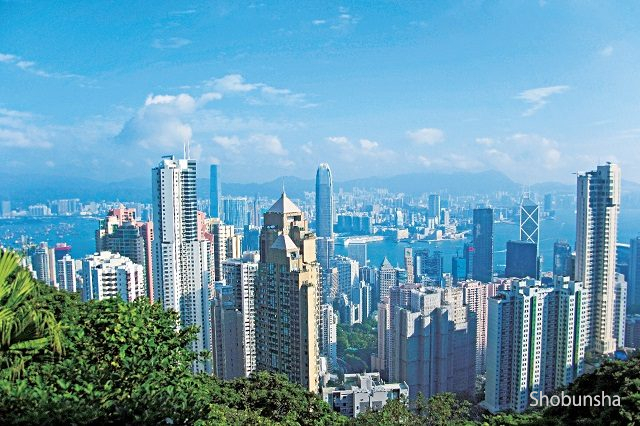
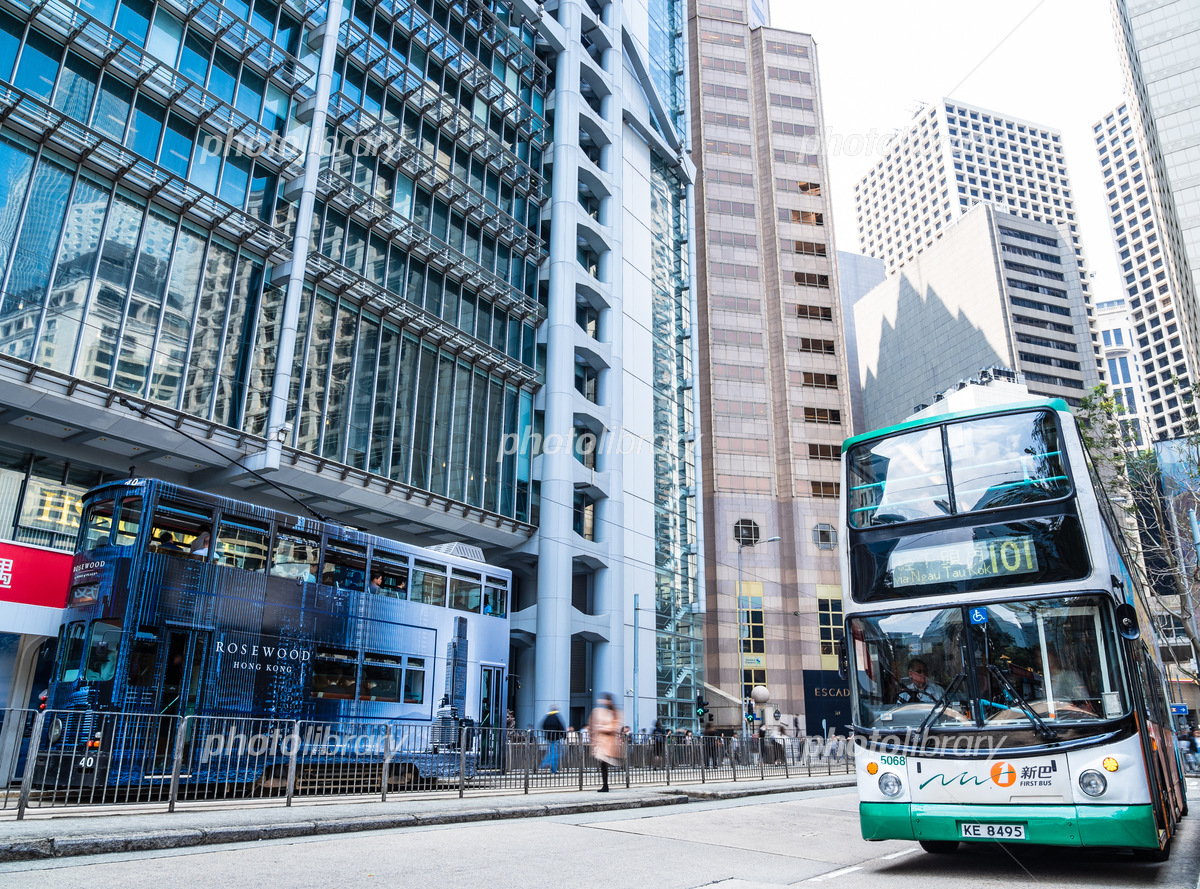
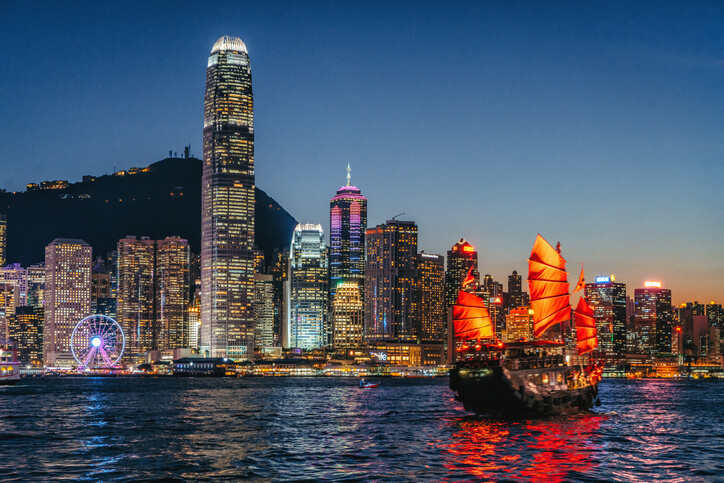
香港返還ごろ、香港は、中国の0.6%の土地で、中国全体のGDPの20%を稼ぎ出していました。中国本土に比べて圧倒的な生活水準を誇っていた香港でしたが、現在のGDP貢献度は全体の3%ほどしかありません。これは、中国本土の経済成長によるもので、決して香港が縮小したわけではありません。香港の北に位置する深圳市のGDPは、2018年に初めて香港のGDPを上回りました。2020年の、シンクタンクによって発表された「中国のチャンスある都市2020」によると、香港の順位は9位、経済的影響力では4位、ビジネスのしやすさでは5位に位置しています。このことから、返還後に比べるとかなり香港の中国における存在感が低下していることがわかります。香港は、国際的に認められた金融都市であるため、なお中国と諸外国を結ぶ優れた玄関口です。しかし、中国生徒の緊張の高まりや、パンデミック対策により、国際企業が香港に魅力を感じなくなっていることが危惧されています。結果的に、香港に地域本部を置く国際企業の数は、2018年から2021年にかけて10%近く減少しましたが、中国企業の進出数は28%近く増加しました。このことから、香港は以前よりも国際的ではなくなり、中国志向になっていく可能性があります。
現在、財力がある香港市民は、香港の未来は暗いとみて、海外への移住を選ぶようになりました。イギリスやカナダなどを含め、これまでに少なくとも20万人から30万人が世界各地に移住したとみられます。この中には、医師や教師など、高度な知識を持つ人材も多く、これからは人材不足が香港の社会問題になる可能性があります。それにより、香港政府は22年に、専門人材を呼ぶために年収4300万円以上か、世界トップ100大学を卒業した人を対象に新たなビザ制度を創設しました。受け入れ開始から2か月弱で1万人を超える申請があり、香港政府は人材確保に自信を示しましたが、この3年で労働者人口は18万人減少し、人手不足の解決には程遠いと思われます。
香港は、1967年の香港暴動、89年の天安門事件、97年の返還などのたびに移民ブームを経験してきましたが、そうした問題を受けて一旦香港を離れても、香港の安定を外から確認し、再び香港に戻ってくる人も多くいました。このように、もともと人口流動性が高い都市である香港が、移民の流出によって衰退するとは言い切れません。しかし、今回の場合、高学歴で高度な知識を持っている人材が家族を連れて海外へ移住すれば、二度と戻ってこない可能性もあります。かつてのように、金融都市として栄えた香港が、彼らのような人材なしで上海やシンガポールなどの競争相手と競い、金融都市としての影響力を保てるかは、かなり現実的ではありません。
– 野嶋剛, 2020, 「香港とは何か」, ( 2023年8月2日取得, https://www.nippon.com/ja/japan-topics/bg900193/)
– https://news-japan.tokyo/hk-history/
– https://the-owner.jp/archives/11723
– https://gooddo.jp/magazine/peace-justice/terrorism_riot_demonstration/6278/ -
Hong Kong Architectures (香港の建物と街並み)
Scaffolding made of Bamboo
- Scaffolding in Hong Kong
This kind of scene can be seen throughout Hong Kong. Scaffolding for all construction sites, from low-rise buildings to high-rise office buildings, is made of bamboo. When I first saw them, I remember worrying about their safety because they looked unstable.
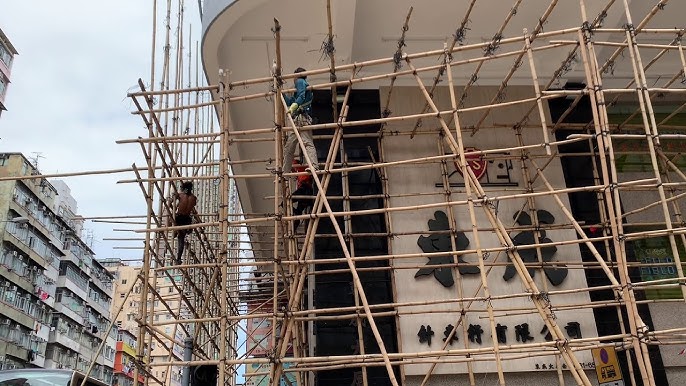
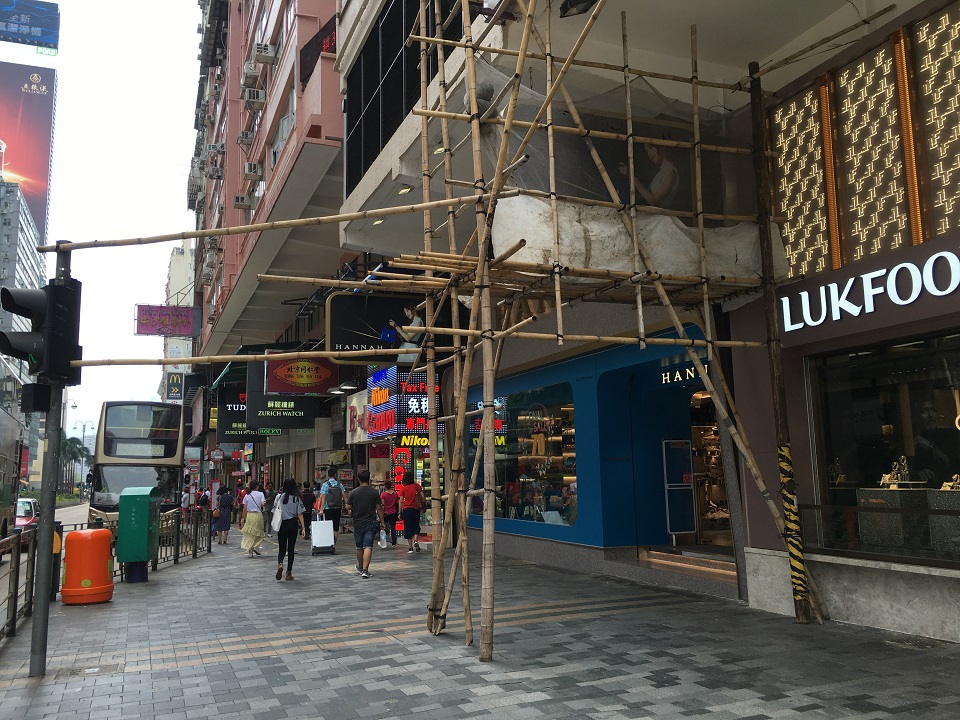
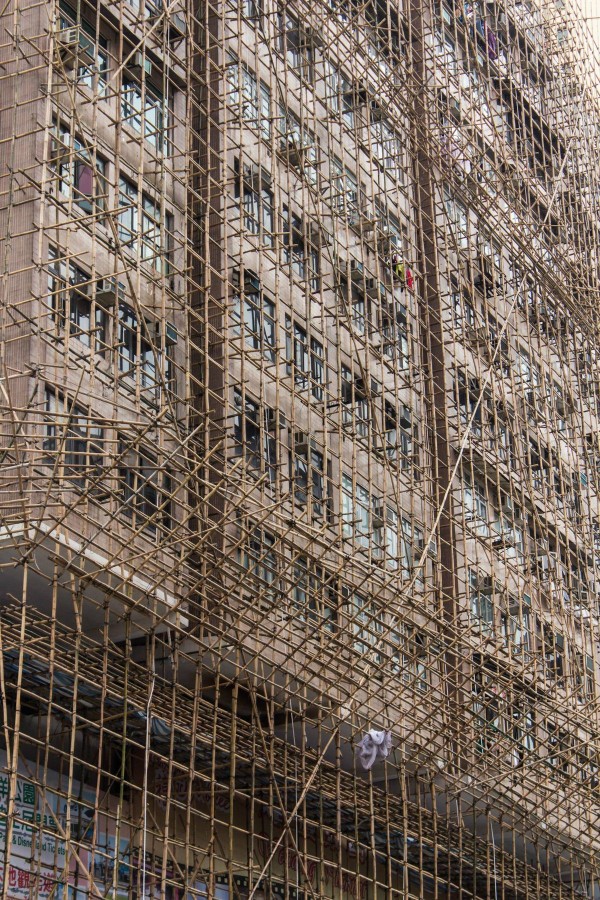
( Why they Use bamboos rather than metal pipes? )
- Bamboo is much cheaper than metal pipes. In Hong Kong, metal pipes cost five times as much as the same length of bamboo.
- Bamboo is lightweight, so it is easy to transport, assemble, and disassemble.
- the hot and humid Hong Kong, humidity is often in the 80-90% range. When steel scaffolding is built in such a Hong Kong, the humidity can cause the steel to rust.
- Tall buildings require steel to be built high, and as a result, the scaffolding may not be able to support the weight of the steel. This is a fatal drawback of metal pipes because Hong Kong has to build a lot of high-rise buildings.
Such scaffolding made entirely of bamboo is hard to find in Japan, and it is no exaggeration to say that Hong Kong, known for its million-dollar night view, is a city made of bamboo. This may be one of the cultural aspects of Hong Kong.
High dense residential buildings in Hong Kong
- Monster Building
This building is know as “Monster building”, made up of 5 different buildings on Kings road, Quarry Bay in Hong Kong. The lower floors are used as stores and the upper floors as residences . The entire Monster condominium has 2,243 residential units. During the 1940s and 1950s, the establishment of the People’s Republic of China on the mainland and the outbreak of the Korean War led to a huge influx of population into British Hong Kong. The shortage of both housing and commercial facilities led to the construction of the “Commercial and Residential Mixed Tang Loh”. Construction of this group of high-rise buildings, commonly referred to as the “Monster Apartments,” began in the 1960s . It was originally named “Baekjia Xinmun” (百嘉新邨) . The construction was halted when the developer disappeared, and construction was finally completed in 1972.
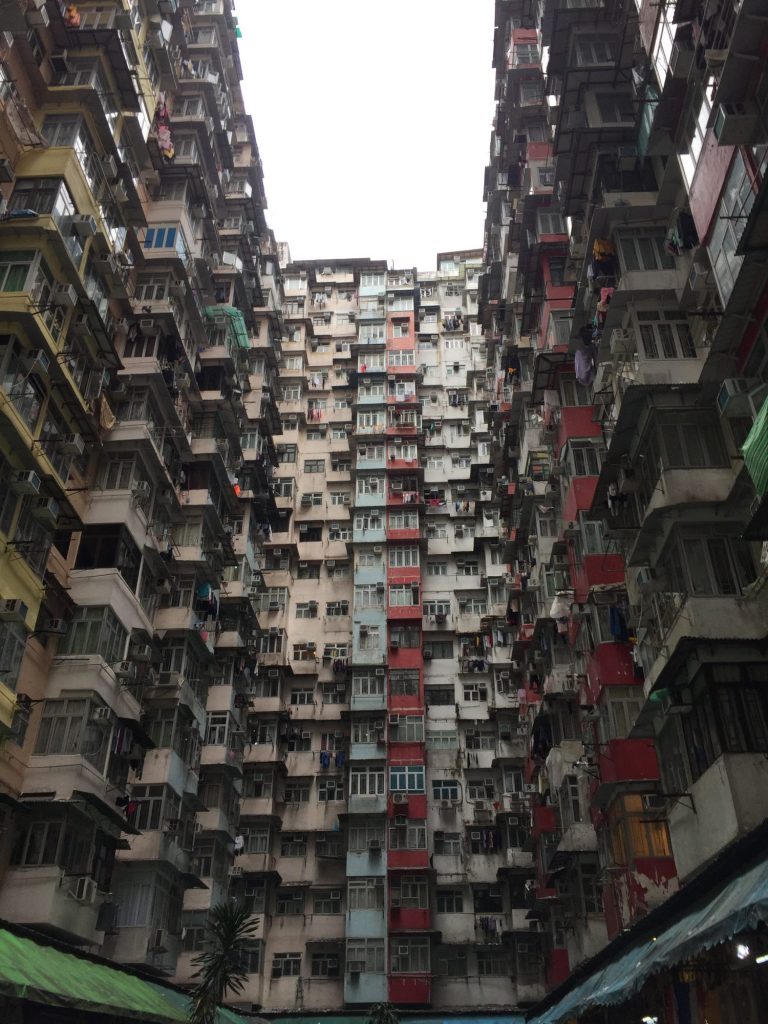
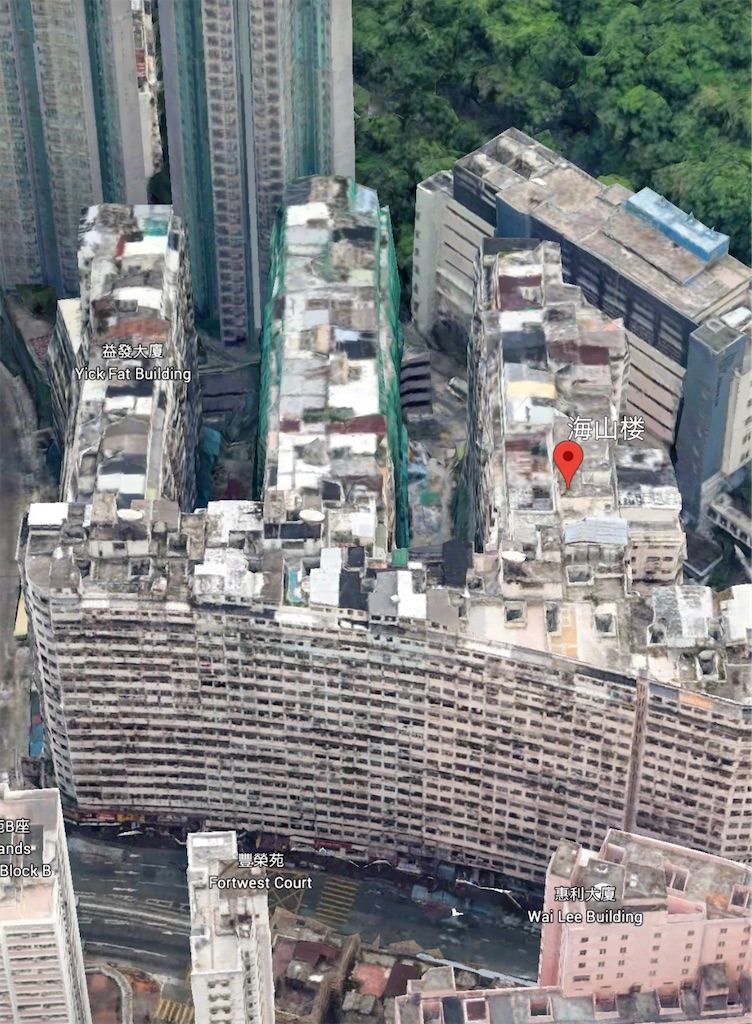
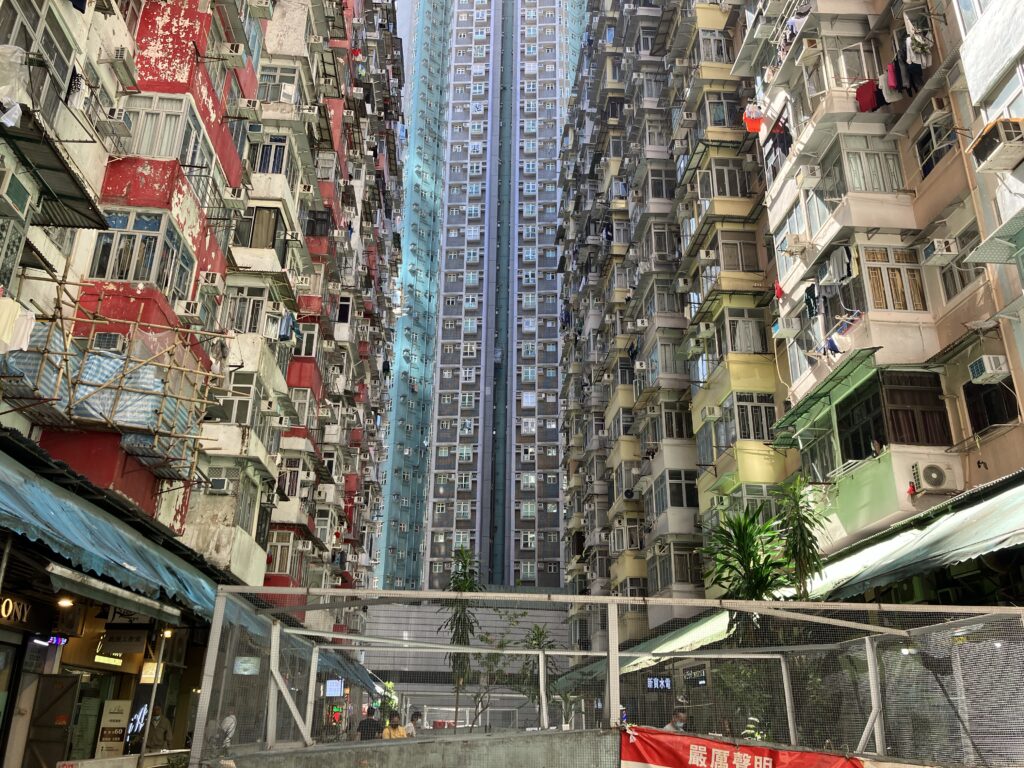
The “Monster Mansion,” which became famous, attracted many tourists from Hong Kong and abroad in search of photogenic views, and they waited their turn in the courtyard to take pictures. Residents began to see this as a problem, and the management association took measures to prohibit unauthorized photography.
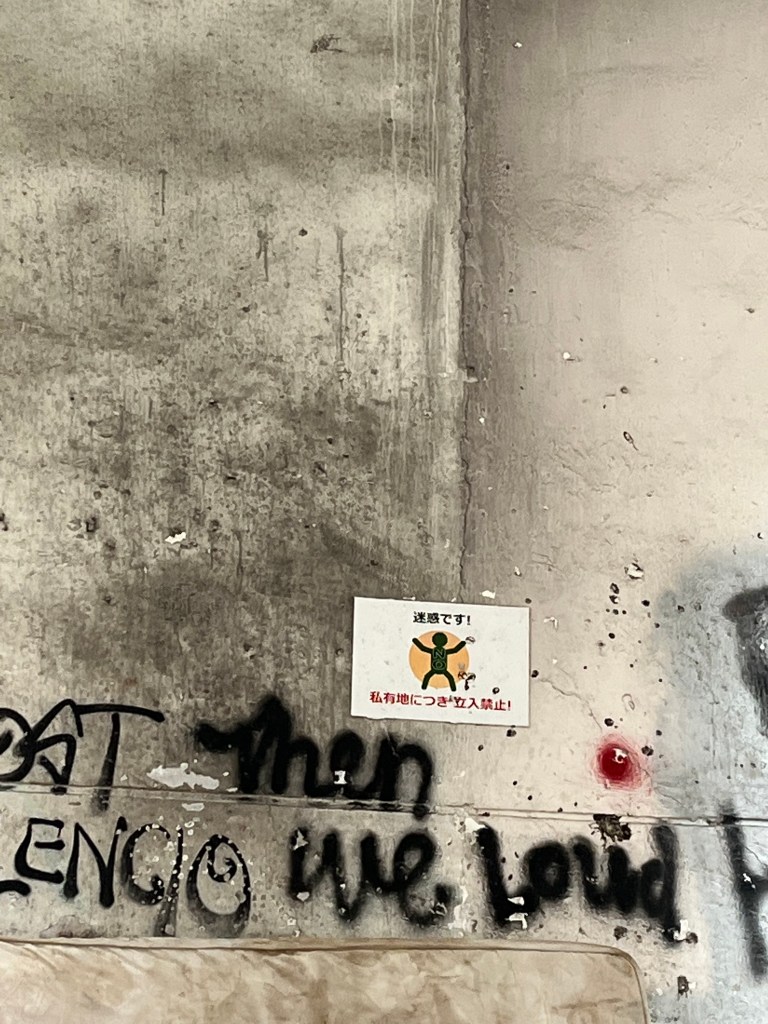
これは、モンスタービル内にある中庭の入り口に貼られていました。香港にある建物に、日本語で注意書きがされていたということは、この建物がかなり日本人観光客に人気だったことがわかります。私が香港を訪れた時には、もうすでに立ち入り禁止になっていたので、かなり落ち込みました(笑)。このような景観を残している建物も、香港ではかなり少なくなっているらしく、外側から見られただけでも価値があると思います。現在では、あの有名な九龍城塞は取り壊されているの、その姿を見ることはできませんが、少しでもその面影を感じたいという方には、おすすめのスポットです。
This was posted at the entrance to the courtyard inside the Monster Building. The fact that a warning sign was posted in Japanese on a building in Hong Kong suggests that this building must have been quite popular with Japanese tourists. When I visited Hong Kong, it was already off-limits and I was quite depressed . With the number of buildings in Hong Kong that have retained this type of landscape in decline, it was worth it just to be able to see it from the outside. The famous Kowloon Walled city has now been demolished and cannot be seen, but I would recommend this place to anyone who wants to feel even a glimpse of it.
香港のネオンサイン事情 ( street signs in HK )
香港経済は60〜80年代に急速に成長し、同時に、霓虹燈招牌(ネオンサイン)の数も増え始め、80〜90年代に最も多くなる。背景には、経済発展に伴う市民の消費力向上で、いかに多くの人々に注目され、顧客となってもらうかが、企業や店舗には重要課題でした。2010年より建築法等の改正により、大型看板や霓虹燈招牌の高さや大きさが制限されたため、多くの看板が撤去された。要するに、制限の範囲に収まっていなかったということです。中には、地区のランドマークのような存在であったものも撤去されました。惜しむ声も多いが、決まりごとは守っていただくしかない。これにより、2020年までに、すでに9割の霓虹燈招牌が撤去されました。また、オンラインショップに移行する実店舗も多く、単純に看板の価値が下がったことも、減少の理由の一つです。膨大な維持費を必要とする看板の広告宣伝媒体としての価値がなくなれば、撤去するのも理に適うわけです。
<娯楽施設>バー、ホテル/モーテル、雀荘、風俗店、ビリヤード場など
<商業施設>衣料品店、電気店、ショッピングセンターなど
<飲食店>茶餐廳、レストランなど
<その他>中医薬店、質屋など私自身、一番よく目にしたのは、風俗や雀荘関係の看板でした。
⇩1980s and now
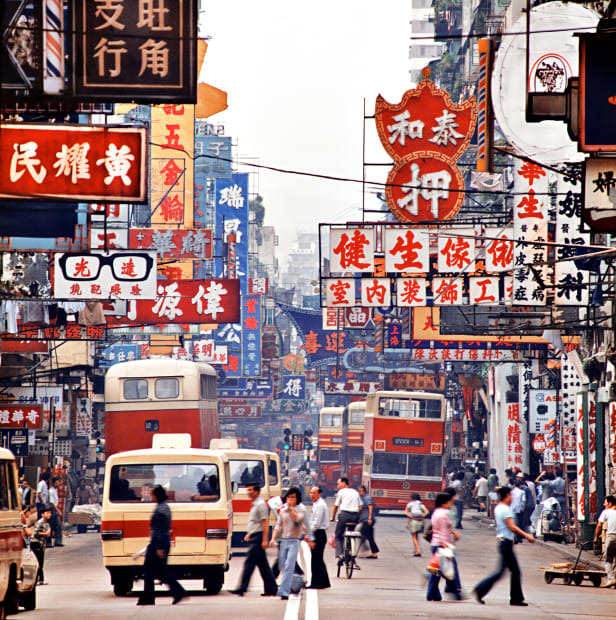
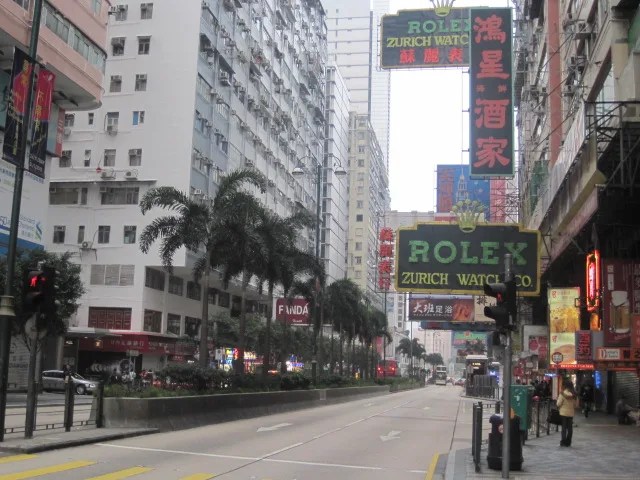
Hong Kong’s economy grew rapidly in the 60s and 80s, and at the same time, the number of justiciable light invitations (neon signs) began to increase, reaching its highest number in the 80s and 90s. In the background, with the increase in the consumption power of the citizens due to the economic development, it was an important issue for businesses and stores how to attract more people’s attention and customers. 2010 saw the amendment of the Building Law, etc., which restricted the height and size of large signs and justiciable light beckoning tiles, and many signs were removed. In short, they did not fit within the limits. Some of them, which had been landmarks of the district, were also removed. Although many are regretted, we have no choice but to ask that the rules be adhered to. As a result, 90% of the justiciable light invitations have already been removed by 2020. Another reason for the decline in numbers is that many physical stores are moving to online stores, and the value of the signs has simply decreased. With the huge maintenance costs of signboards, it makes sense to remove them when they are no longer valuable as an advertising medium.
-
Nanjing town ( 南京町 ) and Chinese diaspora in Kobe city, Japan
Chinese diaspora in Japan
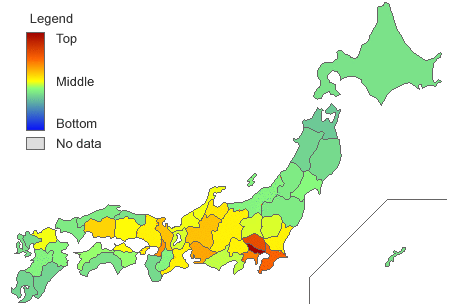
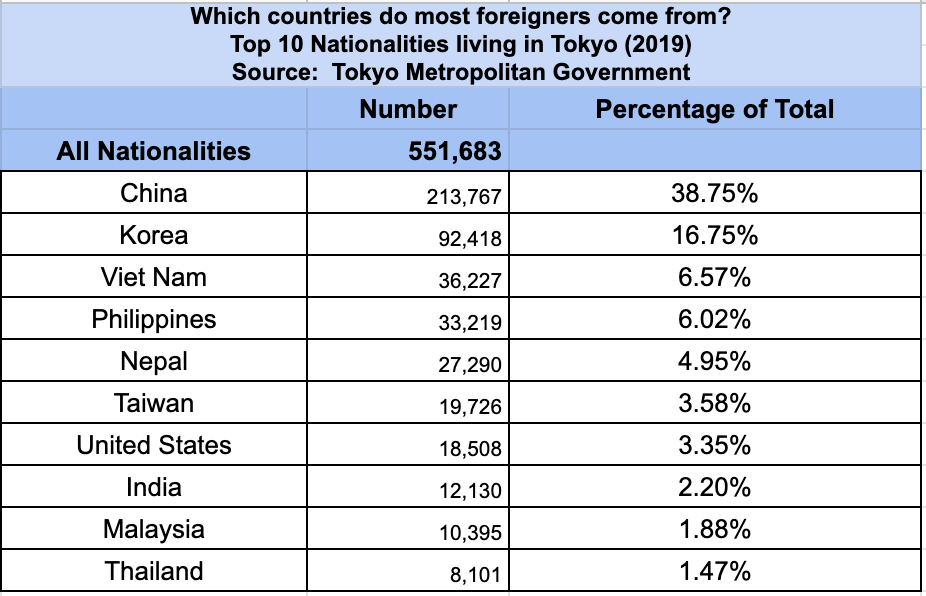
This shows the distribution of Chinese diaspora in Japan. They are found predominantly in the Greater Tokyo area, which includes Tokyo, Saitama, and Chiba prefectures.
There are also many Chinese diaspora in the Greater Osaka area, which includes Osaka, Kyoto, and Hyogo prefectures.
This graph shows that Chinese diasporas locate in many cities throughout Japan.
Chinatowns In Japan
Yokohama Chinatown
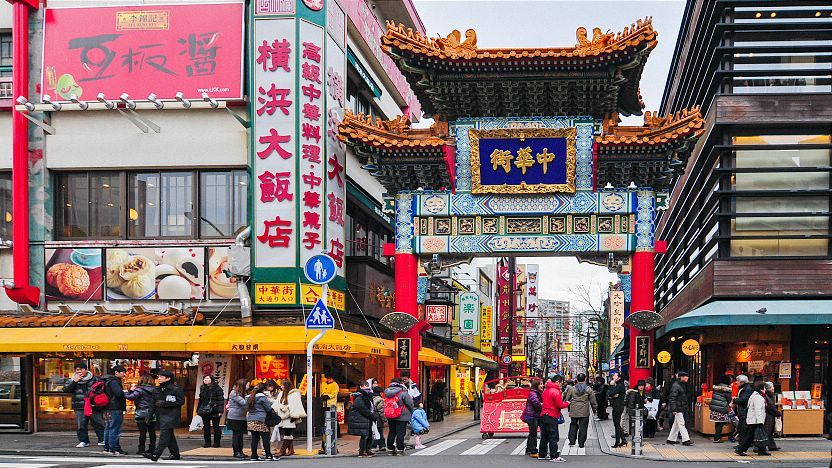
This is the largest Chinatown in Japan with a lot of Chinese restaurants, Cafes and other cultural facilities such as Guantian temple. Various events such as Chinese New Year around the beginning of February are also held in the Chinatown.
Yokohama Chinatown quickly developed, after the port of Yokohama had been one of the first Japanese ports to be opened to foreign trade in 1859. It became the residence of the many Chinese traders who settled down in the city.
Kobe Chinatown
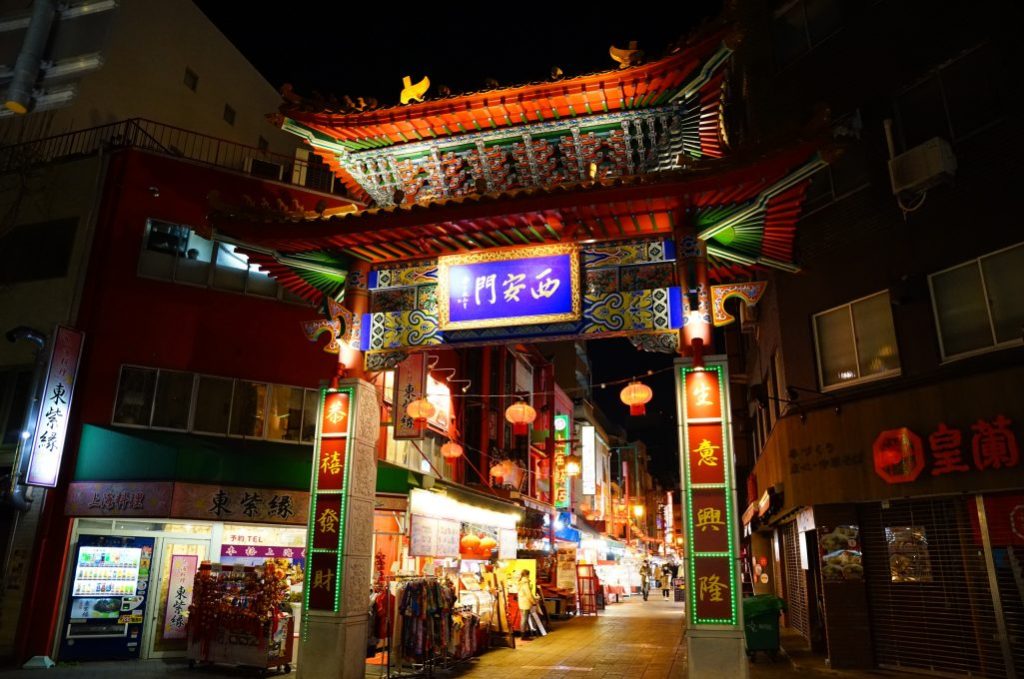
Nankinmachi (南京町) is a compact Chinatown in central Kobe. This is the center of a Chinese community in Kansai area. The area was developed by Chinese merchants who settled near Kobe Port after the port was opened to foreign trade in 1868. As the Chinatown developed, it became known as Nankinmachi after Nanjing, the former capital of China.
Nagasaki Chinatown
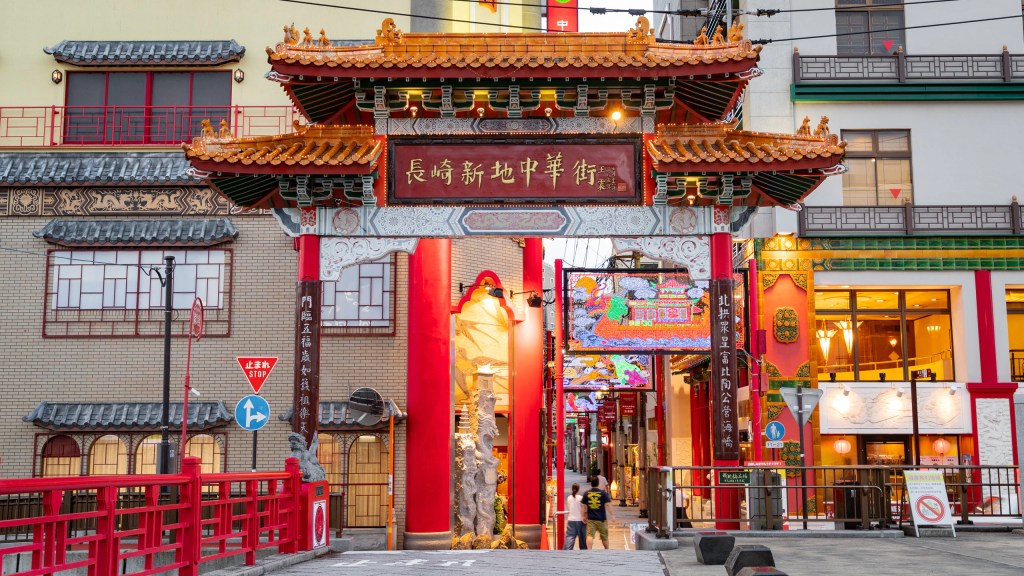
This is the oldest Chinatown in Japan and home to a variety of Chinese restaurants and shops. Nagasaki was the only port open to trade during Japan’s era of isolation, and Chinese were the only traders allowed to conduct business alongside the Dutch. This Chinatown was initially an island but it is no longer due to further reclamation.
Chinatown is the center of Nagasaki Lantern Festival during during the Chinese new year, popular with a thousand of lanterns illuminate the city.
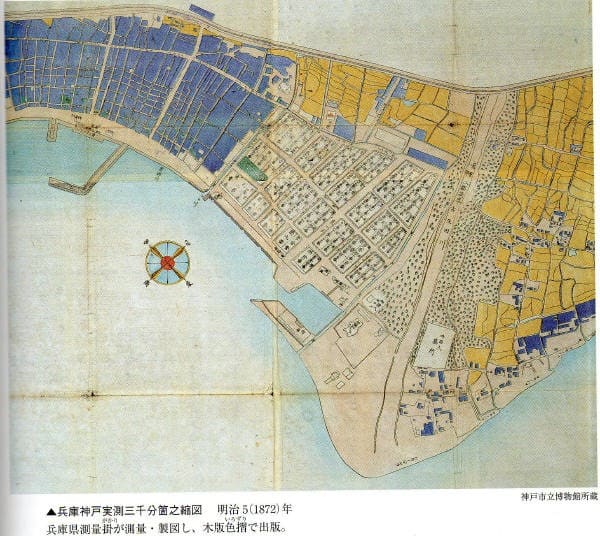
How Nanjing town (Kobe Chinatown) was formed
Early history
It was not until 1868, when the port of Kobe was opened for foreign trade, that immigrants and merchants from Western countries such as England, France, Germany, the Netherlands, and the United States settled in the foreign settlement in Kobe.
Since these countries had already signed treaties of amity with Japan, traders and immigrants from them were allowed to settle in the foreign settlement built by the Japanese government. However, because China did not have a treaty of amity with Japan at the time of the opening of the port, Chinese traders and immigrants were not allowed to settle in the foreign settlement, but instead settled in the mixed residential area located to the west of the foreign settlement.This blue and yellow regions are mixed residential areas and the foreign settlement is surrounded by them. At the time, the mixed residential area was not well drained. It was not a comfortable place to live and operate businesses.
Majority of immigrants from China originate from Guangdong and Fujian provinces. A lot of them also came from the city of Nanking (南京市), hence the neighborhood “Nankinmachi”. At this time, overseas Chinese were mainly engaged in the painting, laundry and food service industries.
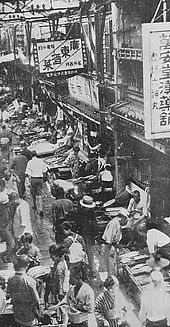
→ This is the Kobe Chinatown in 1930s. Nankinmachi was a gathering place for overseas Chinese merchants, but rather than being a closed Chinatown, it was a space open to the outside world where Chinese and Japanese people got along and did business side by side. Although there was already a mix of Japanese and Chinese stores at that time, it is clear that the number of Japanese stores was considerably larger. Japanese stores sold a variety of items, including butcher shops, tofu shops, fish shops, and tatami mat shops, but they were not stores selling Chinese products. In contrast, he Chinese mainly operated Chinese restaurants, barbershops, general stores, and Chinese medicine stores.
Nankinmachi specialized in morning markets, and the crowds peaked around 9:00 a.m. In particular, many perishable goods were sold, including snappers, river fish, and shellfish. Other items for sale included Shaoxing wine, ginseng, candles and firecrackers. The market was filled with a variety of goods not available elsewhere.
After WW2
The Kobe Air Raid completely destroyed the city of Kobe, killing 460,000 people. Nanking Town was completely lost.
The Chinese had nothing to eat and nothing to sell in the market.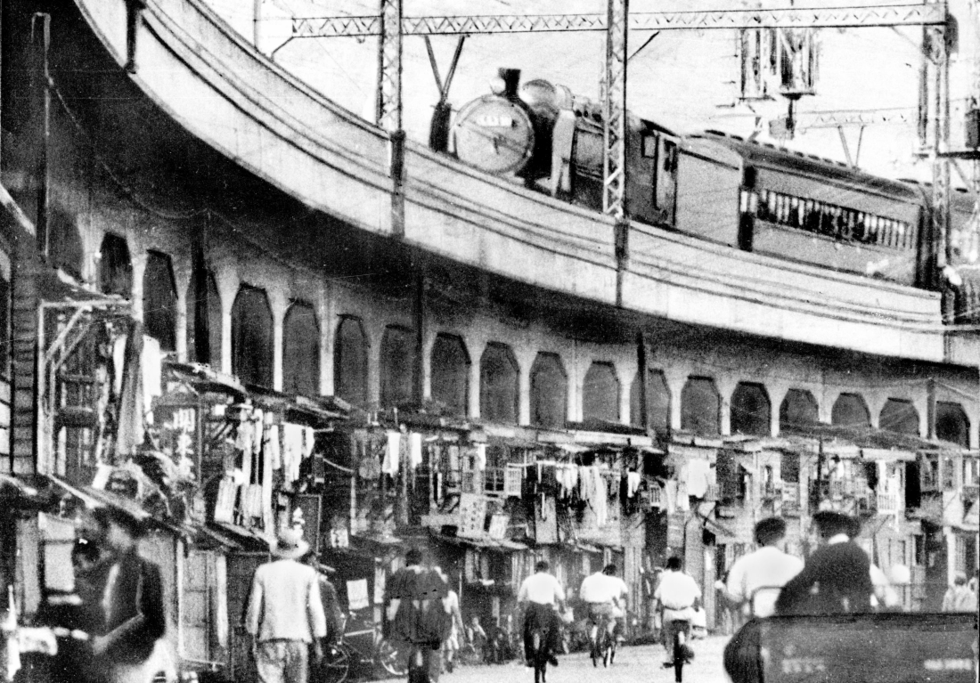
The postwar black market is said to have started when Chinese people began selling fried buns for 5 yen, and a variety of goods, including clothing and food, were distributed. At this time, Nankinmachi, too, had turned into a black market, but eventually the number of temporary stores with food stalls increased, and the number of Chinese restaurants also grew to about eight.
development of Chinatown by the government
In 1982, a landscape improvement project was initiated. Since then, the streetscape and landscape of Nankinmachi have been created, emphasizing the Chinese image. After the war, the number of foreign sailors and foreign bars increased in areas around Nankinmachi. This gave the town a dangerous impression and people began to stay away. As a result, the number of Chinese restaurants and stores decreased. In 1977, before Chinatown was developed, there was only one Chinese restaurant in town. There were many Japanese-owned cafes and bars, but the scenery and atmosphere of Chinatown was lost. The plan primarily involved the construction of China Gate, Promenade, and China Plaza (a small park in the center of Nankinmachi).

⇒ This is China plaza in Kobe Chinatown.
One major difference between Nanjing Town and overseas Chinatowns is that facilities such as the Guantian Temple and the Zhonghua Yizhuang are separated from Nanjing Town by distance. In the case of San Francisco’s Chinatown, all facilities necessary for daily life, such as Chinese hospitals, dental clinics, Chinese restaurants and general stores, are located within Chinatown. Historically, Chinese immigrants who came to the U.S. as laborers were forced to live in Chinatown to protect themselves from extreme racism, and this is the defensive aspect of the area. Therefore, there is no grassroots friendship like in Nankinmachi, where Japanese and overseas Chinese want to do business side by side, and in most cases, no whites or blacks are allowed to operate within Chinatown. This shows that the overseas Chinese in Kobe are well integrated into the local Japanese community.
Since the opening of the port, the city of Kobe has been able to overcome many hardships, including the Kobe Air Raids and the Great Hanshin-Awaji Earthquake, thanks to the good relationship between Japanese and overseas Chinese merchants. After the earthquake, when all the food in Nankinmachi was cold, Japanese and overseas Chinese worked together to set up about 10 stalls in Nankinmachi Square and distributed about 18,000 dumplings as well as Shaoxing wine for free, a heartwarming episode that encouraged the citizens. At the citizen’s level, mutual support and cooperation without any distinction between Japanese and overseas Chinese were seen everywhere after the earthquake.
Nankinmachi is not a closed Chinatown, but an open Chinatown. It has a history of strong ties between the local Japanese and Chinese people, who do not distinguish between each other. It differs from overseas Chinatowns in that overseas Chinese were forced to live in Chinatowns to protect themselves from racial discrimination by the locals. The strong ties between these two different ethnic groups were essential to the formation of this Chinatown.
Reference
呉 宏明/高橋 晋一【編著】. 2015. 南京町と神戸華僑
 toshi blog